Main Menu

M-F: 8am – 5pm
Leaving Austin for another part of the country is one of the biggest logistical projects a household or business can take on. If you are searching for a cross-country moving company Austin families and companies can trust, Central Transportation Systems offers the planning, equipment, and experienced crews to carry your belongings safely over long distances. From the first estimate to the final delivery, our goal is to make a very large move feel organized, predictable, and manageable.
A cross-country move is not simply a longer version of a local move. The distance introduces new variables: multi-day transit, coordination of pickup and delivery windows, weather along the route, shared or dedicated truck space, and the need to keep your goods protected for days or weeks. Mistakes that would be a minor inconvenience on a local job, such as an item left behind or a box poorly packed, become far more serious when you are a thousand miles from home. That is why experience and communication matter so much.
Austin itself adds interesting dynamics. The city’s rapid growth means many residents are relocating in and out, often for job changes, family needs, or lifestyle shifts. Corporate transfers, startup expansions, university moves, and retirements all send people across state lines. Apartments, condos, and homes in the area range from compact downtown units to large suburban houses, and each type has its own access challenges, such as elevators, narrow stairwells, parking restrictions, or long driveways. A good mover plans for these details in advance.
Central Transportation Systems is a Texas moving company with a long track record in relocations of every size. We are a United Van Lines agent in Austin, which means we can combine local knowledge with the reach of a national network when your move takes you far from Texas. That combination allows us to handle the pickup and preparation in Austin ourselves while coordinating the long-haul portion of your move through a proven system.
Whether you are relocating a family, an apartment, a corporate team, or an entire office, the best results come from early planning and honest communication. We encourage you to contact us as soon as you know you will be moving, so we can assess your needs, answer your questions, and reserve the right dates. The earlier we begin, the more options you will have.

Understanding the steps of a cross-country move makes it much easier to prepare. Although every job is different, most follow a similar path.
Step 1: Estimate and planning. Your move begins with a conversation about your destination, your timeline, and what you are bringing. A thorough estimate takes into account the size of your home or office, the volume and weight of your belongings, any special items, and the services you want. Be sure to mention anything unusual, such as pianos, artwork, large safes, gym equipment, or antiques, so the estimate reflects reality. Accurate information prevents surprises on moving day.
Step 2: Scheduling. Long-distance moves involve pickup and delivery windows rather than a single appointment. Your pickup date in Austin is typically firm, while delivery depends on distance, routing, and the schedule of the truck. Ask your mover to explain how the windows work, and plan for flexibility on the delivery end. If you are closing on a home or starting a job, share those dates so they can be considered in the plan.
Step 3: Packing. You can pack some or all of your belongings yourself, or have professionals do it. Professional packing is especially valuable for long-distance moves, since items face more handling and a longer time in transit. Trained packers use the right boxes, padding, and wrapping techniques to protect dishes, electronics, mirrors, artwork, and furniture. Our packing services can be tailored to your needs, from packing only the fragile rooms to packing your entire home.
Step 4: Loading. On moving day, the crew arrives, protects floors and doorways, inventories your belongings, and loads the truck carefully. Heavy items are positioned to maintain balance, and goods are secured to prevent shifting during transit. A written inventory documents what was loaded, which becomes the reference at delivery.
Step 5: Transit. Your goods travel to the destination along a planned route. Depending on the size of your shipment and the schedule, the transit can take several days or longer. A good mover will keep you informed and give you a contact person who can answer questions along the way.
Step 6: Delivery and setup. At the destination, the crew unloads your belongings, places furniture where you want it, reassembles items that were taken apart, and removes packing materials if requested. You will check the inventory against what arrives and note any concerns. The process should end with you settled and ready to begin enjoying your new place.
Step 7: Follow-up. If any issue arises, such as a damaged item or a missing box, your mover should be responsive and clear about the claims process. Keep your paperwork organized and take photographs of valuable items before the move to make any claim easier to document.
Knowing these steps helps you ask better questions and compare movers more fairly. It also helps you set realistic expectations about timing, cost, and what you need to do to prepare. A reliable cross-country mover will walk you through each phase and make sure you never feel lost.
The better prepared you are, the smoother your move will go. Here are practical ways to get ready, starting well before the truck arrives.
Start by decluttering. Moving a long distance costs more as the weight and volume of your shipment increase. Sorting through your belongings before you pack gives you a chance to sell, donate, or discard items you no longer need. Go room by room, and be honest about what is worth the expense of transporting. Many families find that decluttering reduces both costs and stress.
Gather your documents. Keep important papers, such as identification, financial records, medical records, school transcripts, closing documents, and your moving contract, with you rather than on the truck. Place them in a folder or bag that stays in your car or carry-on. Take photographs of your valuables and record serial numbers for electronics and appliances.
Handle logistics early. Notify utility providers, update your address with the post office and your banks, transfer medical and school records, and arrange for internet and utilities at your new home. If you are moving for work, ask about relocation benefits that may cover part of the cost. Make a checklist and tick items off as you go.
Pack an essentials kit. Prepare a bag or box with what you will need during the first days: medications, chargers, toiletries, a change of clothes, basic tools, snacks, pet supplies, and important documents. Because your belongings may arrive a few days after you do, this kit makes the transition more comfortable.
Prepare appliances and furniture. Defrost and clean the refrigerator, drain hoses on the washer, and disconnect gas appliances according to the manufacturer’s guidance. Remove batteries from devices that might leak. If a piece of furniture needs to be taken apart, label hardware and keep it together. Ask your mover which tasks they can handle for you.
Plan for pets and plants. Moving crews generally cannot transport live plants on a long-distance truck, and pets should travel with you, not with your belongings. Make arrangements for travel, veterinary records, and pet-friendly lodging if your trip takes more than a day.
Consider storage. If your new home is not ready when you leave Austin, short-term or longer-term storage can bridge the gap. Central Transportation Systems offers storage that works hand in hand with moving, so your goods are protected until you are ready for them.
Understand your coverage. Ask your mover about valuation options, which determine how much protection your belongings have in transit. Review what is included, what is optional, and what is excluded. Check whether your homeowner’s or renter’s insurance policy provides additional protection during a move.
Communicate clearly. On moving day, walk through the home with the crew leader, point out fragile or high-value pieces, and share any special instructions. Be available by phone, and keep your contact information current in case questions come up while the truck is in transit. Good communication prevents small misunderstandings from becoming big problems.
With a little preparation and the right partner, even a very long move can go smoothly. Central Transportation Systems is ready to guide you through each of these stages.
Choosing the right cross-country moving company Austin residents can rely on. Price is only one part of the decision. Ask each company how they conduct estimates, whether they inspect your belongings in person or by video, and how they handle delivery windows. Ask who will actually be handling your goods on moving day, and what training those crews receive. Look for a company that is registered for interstate work, explains valuation clearly, and puts everything in writing. Read reviews for patterns, such as consistent praise for communication or repeated complaints about surprise charges. A mover that is transparent before you book is far more likely to be transparent afterward.
Moving specific types of belongings. Long distances raise the stakes for specialty items. Pianos, large televisions, mirrors, artwork, antiques, and heavy furniture all benefit from custom padding, crating, or additional crew members. Appliances may need to be serviced before moving. Outdoor equipment, such as grills, patio furniture, and tools, should be cleaned and prepared. Tell your mover about everything unusual so they can bring the right materials. It is far easier to plan for a heavy item before moving day than to improvise once the truck has arrived.
Staying organized during the move. Keep a binder or digital folder with your estimate, contract, inventory, contact numbers, and delivery details. Save receipts for packing supplies and travel in case they are needed for tax or employer reimbursement. Take a few minutes at the end of each day during the final week to review your checklist. Staying organized turns a chaotic project into a series of small, manageable tasks and helps you feel in control from beginning to end.
Budgeting for the full cost of your move. Beyond the mover’s estimate, plan for travel, lodging, meals, utility deposits, packing supplies, temporary storage, and unexpected expenses. Setting aside a cushion helps you handle surprises without stress. Ask your mover which charges are fixed and which may change, and ask for a written explanation of any potential add-ons such as long carries, stairs, or shuttle service. If your employer offers relocation assistance, confirm what is reimbursed and what paperwork is required before you spend. Careful budgeting keeps a big move from becoming a financial strain.
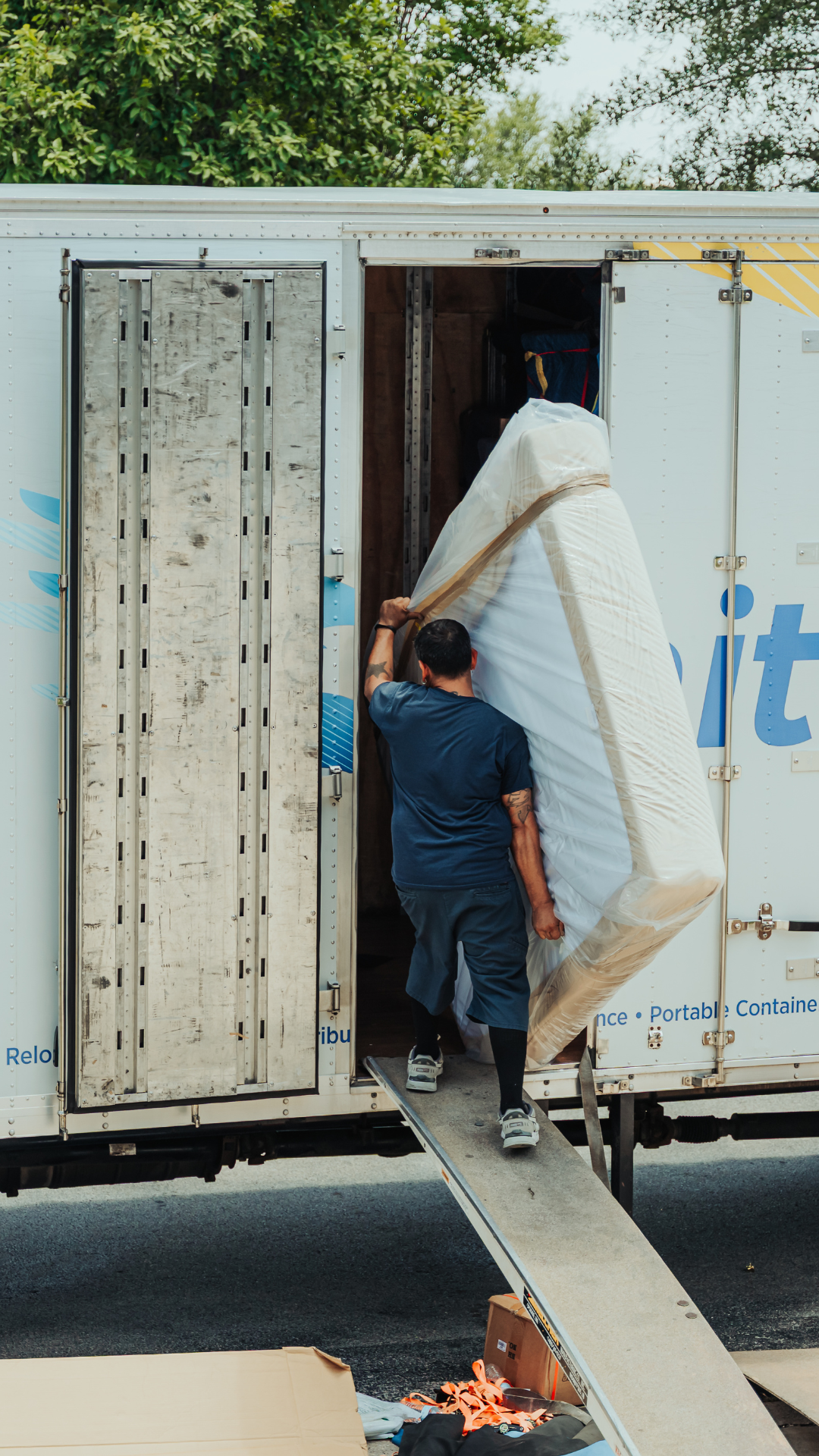
When your belongings are crossing multiple states, you want a team you can rely on. Central Transportation Systems combines the personal attention of a local Texas company with the network and resources needed for long-distance relocation. We stand behind our work, explain every step, and treat your home and your possessions with the respect they deserve.
Our Residential Moving services cover homes, apartments, and condos, with packing, loading, transport, and delivery tailored to your needs. If your move involves a business, our Commercial Moving team can relocate offices, equipment, and inventory with minimal disruption to your operations. If you need a place to keep belongings before or after the move, our Storage solutions can protect your property until you are ready.
As a United Van Lines agent in Austin, Central Transportation Systems can connect your local move to a nationwide system while keeping a single, familiar team in charge of your Austin pickup. That means you get the benefits of scale along with clear communication and a point of contact who knows your move. We take time to understand your priorities, whether that is staying on budget, meeting a tight deadline, or protecting a few irreplaceable items.
Ready to begin? Reach out with your destination, your preferred timeframe, and a description of what you are moving. We will review the details, answer your questions, and provide a clear estimate. You can contact our team any time through our Contact page. A long-distance move is a big step, and we would be honored to help you take it with confidence.
It is best to contact a mover as soon as you know your timeline, ideally several weeks before your move date. Peak seasons, such as summer and the end of the month, fill up quickly. Early booking gives you more choice of dates and more time to prepare. If your move is on short notice, call us anyway, and we will do our best to help.
Pricing usually depends on the distance, the weight or volume of your belongings, the time of year, and the services you choose, such as packing or storage. Special items like pianos or large safes may add to the cost. We provide a clear estimate based on the details you share. The more accurate your information, the more reliable the estimate will be.
Moves include valuation coverage, and there are options that determine how much protection your items have. We explain the choices so you can decide what fits your needs and budget. It is also wise to check whether your homeowner’s or renter’s insurance offers extra protection. Photographing valuable items before the move helps with documentation.
Yes, our crews can pack as much or as little as you want, from fragile items to your entire home. Professional packing is especially helpful for long-distance moves, where items face more handling. We use proper materials and techniques for each type of item. Packing services can be added to your estimate at any time
We can arrange storage so your belongings are protected until you are ready for delivery. Storage and moving are coordinated, which keeps everything under one plan. Let us know your expected dates, and we will help you build a schedule that works. This flexibility is common for people who are buying, selling, or waiting on a lease.
Tell us about your needs, and our team will be in touch shortly.