

M-F: 8am – 5pm
Relocating a business involves much more than loading desks and office chairs onto a truck. A commercial move affects employees, technology, customers, vendors, building access, operating schedules, and sometimes several departments at once. Working with experienced Dallas commercial movers is important because physical transportation is only one part of the project. The larger challenge is moving everything in a way that limits unnecessary disruption and helps the business become operational again as efficiently as possible.
A household can often tolerate a few unpacked rooms for several days. Businesses usually have less flexibility. Employees need workstations, technology needs to function, records need to remain accessible, and essential departments may need to resume work quickly. That means the order in which items are packed, moved, and delivered can matter almost as much as the move itself.
Commercial buildings also introduce logistical requirements that are easy to overlook. Loading docks may need reservations. Freight elevators can be limited to specific hours. Property management may require advance notice, building protection, access documentation, or specific parking arrangements. Some buildings restrict moves to evenings or weekends so regular tenants are not disrupted. Those requirements need to be confirmed at both the current and future locations before moving day.
Another difference is the number of people involved. A commercial move may include the moving company, business leadership, department managers, employees, facilities staff, IT providers, building managers, contractors, and outside vendors. Without a clear plan, each group can end up working from a different schedule. Good commercial moving support creates a structure so responsibilities are understood before the first truck is loaded.
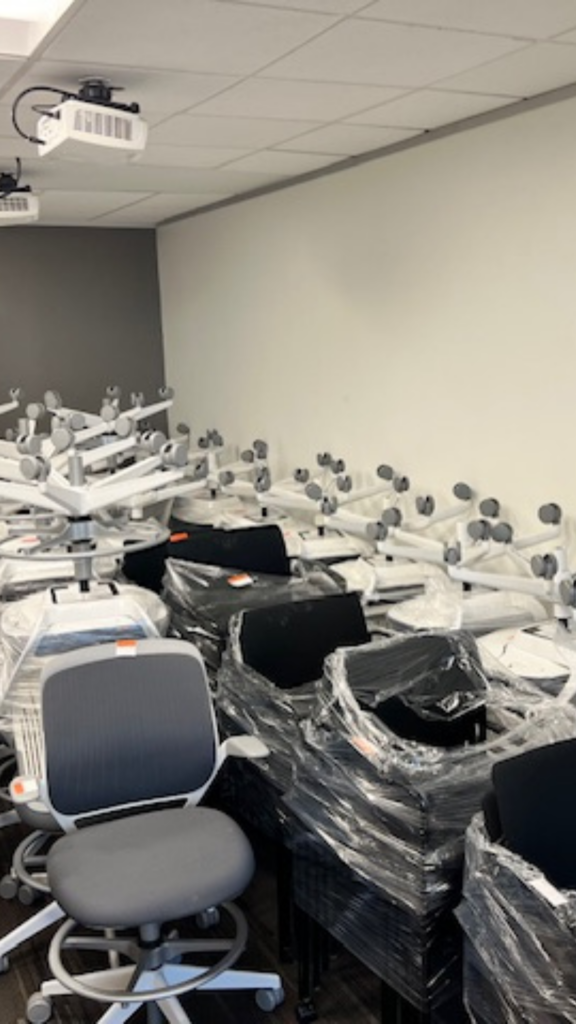
One of the first steps in a well-planned commercial relocation is creating a detailed inventory. Office furniture, workstations, computers, monitors, printers, records, supplies, conference-room equipment, artwork, storage cabinets, and kitchen items all need to be accounted for. Businesses with specialized operations may also have machinery, technical equipment, or sensitive materials that require additional planning. The inventory gives the mover a clearer understanding of the labor, equipment, and transportation requirements.
An internal move coordinator is also extremely useful. Rather than allowing every employee or department to give instructions directly to the moving crew, the business can designate one primary contact who understands the overall project. Larger companies may assign department representatives as well, but having a clear communication chain prevents conflicting directions and makes decisions easier when questions arise.
Packing should follow a system that supports delivery at the new location. A carton labeled only “office supplies” does not tell the delivery crew where it belongs. Labels that include the department, room, floor, or employee make unloading much more efficient. The same principle applies to furniture and equipment. If the new floor plan has already been established, items can be placed directly where they are needed rather than stored temporarily and moved again later.
Technology deserves its own moving plan. Computers, servers, telecommunications equipment, networking hardware, and specialized systems may need to be disconnected and reinstalled by IT staff or qualified outside vendors. The moving company may transport the equipment, but that does not automatically mean movers are responsible for shutting down a network or configuring it after delivery. Responsibilities should be established before moving day so systems can be taken offline and restored in the correct sequence.
Sensitive records also require careful planning. Financial documents, personnel records, contracts, customer information, and other confidential materials should not become anonymous boxes mixed into the general shipment. Businesses should determine how those records will be packed, labeled, transported, and received. A clear chain of responsibility is especially important when company policies or regulatory requirements apply to the information being moved.
Commercial moving plans should usually work backward from the date the new location needs to be operational. Establish the target opening or work date first, then identify when major tasks need to happen. Those tasks may include selecting the mover, completing the inventory, confirming building requirements, finalizing the floor plan, packing nonessential items, preparing technology, moving furniture, reconnecting systems, and testing essential equipment.
Not every business needs to move everything at once. In some cases, a phased relocation may reduce downtime. One department can move while another remains operational, or nonessential furniture and supplies can be transferred before critical equipment. The best sequence depends on the organization, but making that decision deliberately is better than allowing the order to be determined by whichever items happen to be packed first.
Employees need clear instructions well before the move. Tell them what they are responsible for packing, how items should be labeled, when their current workspace will become unavailable, and when they are expected to report to the new location. Personal belongings should usually be taken home rather than mixed into the company shipment. If desks or cabinets need to be emptied, set a deadline and make sure department managers confirm that their areas are ready.
The new facility should also be prepared before the moving crew arrives. Construction, renovations, cabling, utilities, and access should be far enough along for furniture and equipment to be delivered. Rooms and departments should be clearly identified. If workstations need to be assembled in particular locations, the layout should already be available. Technology teams should know when they can begin installation and testing.
Storage may become necessary when the new facility is not completely ready or when a business is reducing its footprint. If some property is going into storage, identify it before loading. Mixing storage items with property intended for immediate delivery adds extra handling and creates confusion. Maintain an inventory of stored furniture and equipment so the business knows what is available if something needs to be retrieved later.
Cost planning should focus on the complete scope of the relocation rather than the lowest initial estimate. Packing, specialized handling, building requirements, after-hours work, distance, equipment, and the amount of labor can all affect the final cost. Compare what each estimate includes. A lower number is less useful if important services ha
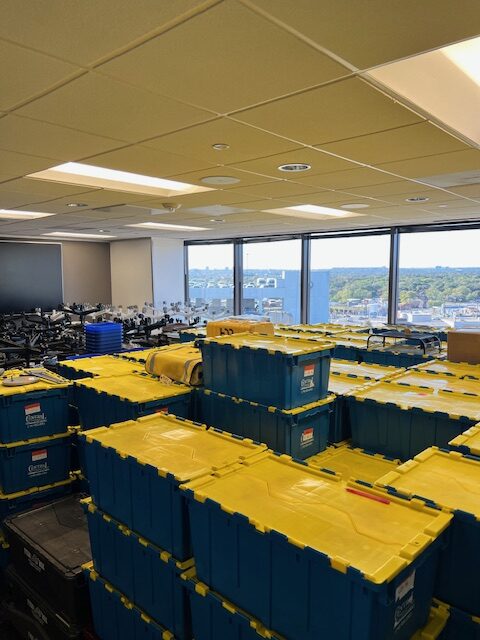
Commercial moves with Central Transportation Systems begin with a discussion about the business, facilities, schedule, and property being moved. That allows the relocation to be planned around the actual operation instead of treating it like a larger residential move. The company can discuss furniture, boxed contents, workstations, equipment, packing requirements, access conditions, and the sequencing that may be necessary for the business.
For larger relocations, planning becomes especially important because several parties may need to work together. Property managers may control elevator and dock access. IT staff may need specific windows for disconnecting and reconnecting equipment. Department managers may have different priorities. Establishing those responsibilities early gives everyone a clearer schedule.
The objective is not simply to empty one office and fill another. A commercial move should support the business’s broader transition. Furniture and equipment need to reach the correct locations, critical property should be identifiable, and employees need to understand when their spaces will be available again.
Communication also matters if the project changes. Businesses often adjust headcount, floor plans, furniture needs, or schedules while preparing for a relocation. If those changes affect what is being moved or when it can happen, updating the moving company allows the team to revise the plan rather than discovering the differences on moving day.
If your business is preparing for a relocation in Dallas, contact Central Transportation Systems to discuss the scope of the project, the facilities involved, and the timeline. Starting the planning process early gives your company more time to address building requirements, employee responsibilities, technology, and the physical move in a coordinated way.
Larger relocations should generally begin planning well before the target move date because building access, employee preparation, technology, furniture, and outside vendors may all need coordination. Smaller offices may require less lead time, but starting early still provides more flexibility.
Depending on the business and facilities, a phased move may be possible. Moving departments, nonessential furniture, or selected equipment in stages can help some businesses maintain operations while other areas are being relocated.
The business should determine this with its IT team or technology provider. Movers may transport properly prepared equipment, while qualified technology personnel handle shutdown, disconnection, installation, configuration, and testing.
Confirm loading dock availability, freight elevator reservations, approved moving hours, parking, access procedures, building protection requirements, insurance documentation, and any other rules that could affect the moving crew.
Plan the sequence around operational priorities, prepare the destination in advance, coordinate technology separately, give employees clear instructions, label everything consistently, and avoid leaving building or layout decisions until moving day.
Tell us about your needs, and our team will be in touch shortly.