


The boxes are mostly unpacked. The furniture is in place. The new house is starting to look like yours.
But the semester is over and your college kid is coming home.
She didn’t help choose the new house. She hasn’t seen it except in the photos you texted her. She’s about to enter a space that doesn’t have any of her history in it yet. It will never be exactly the same as the home she grew up in.
But will she feel like this is her home too or feel like she’s lost her “home base”?
For families moving when kids are away at college, the goal isn’t just a streamlined move. It’s knowing how to make your new home feel like home for the people who matter most. That takes some intentional planning on the back end of the move, not just the front end.
What Does “Feeling at Home” Mean for Adult Kids?
For children who grew up in your last house, “home” is layered. It’s the specific chair in the living room. The shelf where things always were. The bathroom they complained about all through high school. When the address changes, none of those reference points travel automatically. They have to be rebuilt.
That doesn’t mean recreating the old house.
It means bringing the things that actually mattered and placing them intentionally, so the new house starts to gain the same kind of familiarity. By making deliberate choices about what to bring, where to put it, and what to have ready before your college kid’s first visit, you can help them feel like it’s their home, too.
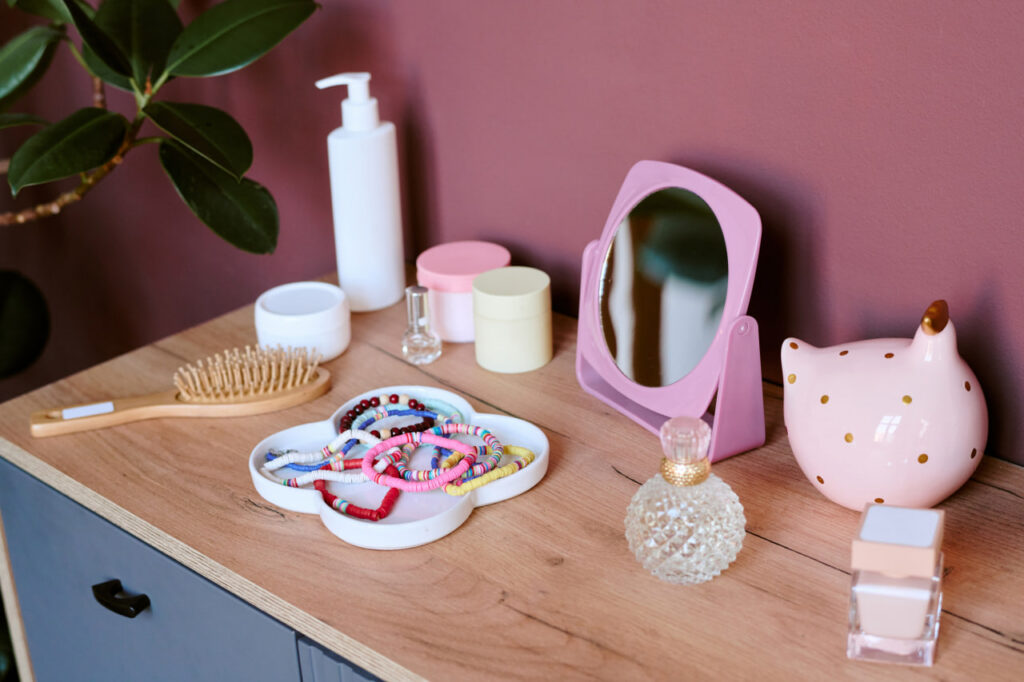
How Do You Set Up Their Room Before They Arrive?
Their bedroom is the most important room to have finished before your college student arrives. It’s much more welcoming when the bed is made, their items out and arranged, and there’s a clear sense that this space was set up with them in mind.
A few things that matter more than they seem:
- Familiar items in familiar positions: the desk lamp, the print on the wall, the bookshelf they’ve had since middle school. If it meant something important in the old room, consider giving it a place in the new one.
- Get their input (even if it’s not in-person). Send photos of the room before move-in day. Ask about layout preferences over the phone. Let them choose a color if you’re painting. Feeling consulted goes a long way.
- Don’t donate their childhood items without asking. A worn desk chair or an old bookshelf may look ready to go and still matter to them. Have the conversation before anything leaves the house.
When adult kids feel like their space was set up with them in mind, it starts to feel like theirs much faster.

What Do You Have Ready for Their First Visit?
Setting up their bedroom is important. But there are little things that can also let your adult child know that this is their home, too.
Here are a few ideas that can make a big impact:
- Small, specific details in the common areas. Their favorite snack in the pantry. Their coffee mug in the cabinet. Their bathroom items under the sink. Touches like these communicate that this is still the family home.
- Familiar pieces placed intentionally throughout the house. If your living room felt a certain way in the old house, the pieces that carried that feeling should show up here. The photo wall. The throw blanket. The bowl by the door where you put your keys. Specific familiar objects in a new space help cultivate the feeling of home.
- A tour of the neighborhood, not just the house. Introduce your kids to the surrounding area. Show them the nearest coffee shop, where to park, and places where they can go for a run. Part of settling in is knowing the neighborhood. The sooner you both become familiar with local amenities, the faster it starts to feel like home.
None of these require much time or money. They require thinking ahead, which is a lot easier to do when the move itself isn’t consuming every bit of your energy.
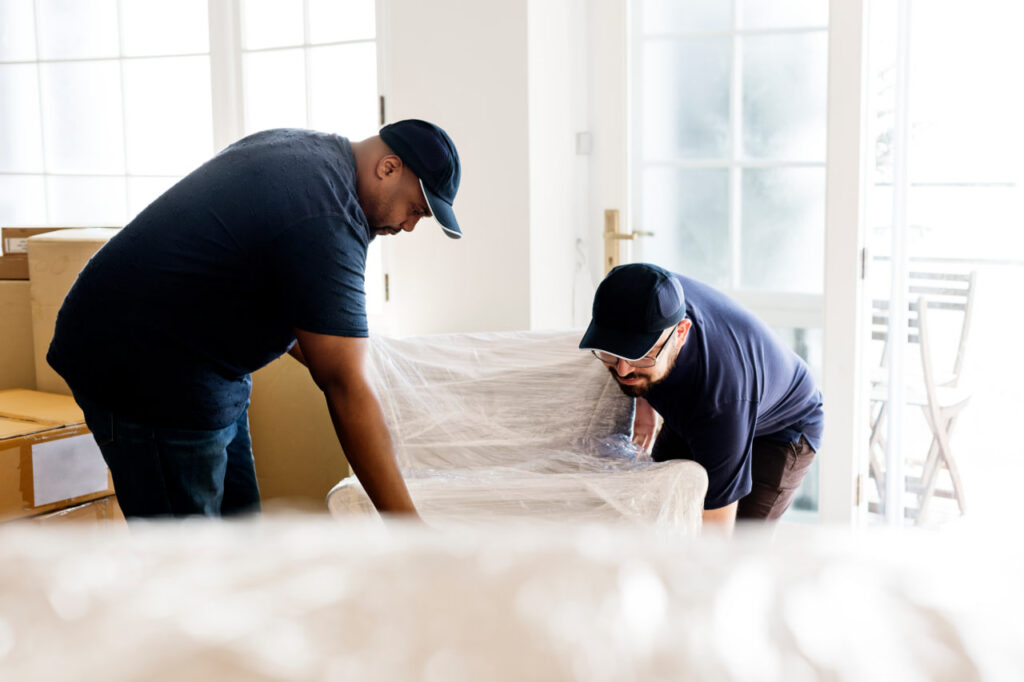
How Does a Full-Service Move Set You Up to Get This Right?
Moving is already a heavy emotional load. You don’t have to carry the logistical part too.
That’s one of the most powerful benefits of full-service moving (also called white glove moving or end-to-end moving). When a professional team handles the packing, transport, and unpacking, you can still have bandwidth to help your family settle in. It makes the difference between feeling like you’re just surviving and adjusting from day one.
Your move coordinator talks with you to understand your move’s needs and goals. Then they keep the thousand small, exhausting decisions off of your plate. Your coordinator handles the sequencing, logistics, and manages the team. They make sure timelines are seamless, special items are carefully handled, and always keep you in the loop.
The heirlooms that your kids grew up around are packed, transported, and unloaded by a team that knows your timeline and your household. That means the items you need in place before the first visit aren’t buried at the back of a stack. They’re where you planned for them to be.
Your move coordinator leads the team of professionals who all understand your move’s needs and timeline.

Ready to Make Your New House Feel Like Home?
Making your new house feel like home doesn’t happen by accident.
It happens because the physical move was handled well enough that you had the time and energy to do the rest.
Call Central Transportation Systems today to schedule your estimate. We’d love to help your family get settled.
Frequently Asked Questions
- How do you make a new home feel like home for adult children who weren’t there during the moving process?
The fastest way to make a new home feel familiar is to have their space ready before they arrive. Have familiar items in place and personal details throughout the house that show the move was planned with them in mind. Start with their bedroom. When possible, get their input on the layout (even if it’s from a distance). Small touches in the common areas (their favorite snack in the pantry, their mug in the cabinet, familiar pieces placed where they’ll notice them) can quickly build familiarity.
- What items should you prioritize unpacking before your college kid’s first visit?
Prioritize their bedroom first, then the common areas that carried the feeling of home in the old house. Make the bed and arrange personal items and familiar objects before they walk in the door. Then focus on the shared spaces: photos, meaningful pieces, and the small objects that made rooms feel like yours in the old house. These don’t need to be fully decorated. They just need to be intentionally placed.
- How do you handle a college student’s childhood bedroom during a move?
Talk to your college student before packing starts, and get their input about which items they want to take with them to school, what to move to the new house, and which items they’re ready to let go of. Sentimental items should be packed carefully and placed in their new room, not put into storage by default.
- What’s the advantage of full-service moving for a family transition like this?
Full-service moving means the packing, transport, and unpacking are all handled by a professional team. That way when you arrive at the new home, you have time and energy left for the details that matter: setting up your kids’ rooms, placing familiar items intentionally, making the house feel ready before the first visit. When the move itself is managed well, everyone can start off on the right foot.
- What do you do when there isn’t room in the new house for everything from your college student’s childhood bedroom?
Have the conversation with your college student before anything gets donated or discarded. Let them know what space is available, ask them to prioritize what matters most, and let them make the call. For items they want to keep but can’t fit, storage is often a reasonable solution while they figure out what goes to their own place. When possible, it’s best to avoid making those decisions for them and having them find out after the fact. Even when the outcome is the same and some things don’t make the move, being included in the process makes a real difference in how they feel about it.
- When’s the best time to plan a move when you have college-aged kids?
Summer or winter break is the ideal time, so your kids can see the new house before returning to school and start building their own sense of the space. But that’s not always possible. If you can’t move during a school break, consider the “runway” between your move-in date and their first visit. A move that wraps up two weeks before Thanksgiving doesn’t leave much room to get their bedroom set up, unpack the common areas, and take care of the details that make a house feel like home rather than a work in progress. When you have flexibility to build in a buffer of at least a few weeks, it leaves time to plan the welcome too.
