Main Menu


M-F: 8am – 5pm
People tend to assume a long-distance move is basically the same process as a local one, just with more driving involved. It isn’t. A local move within Austin might take a single day from start to finish. A long-distance move involves an entirely different set of logistics, accurate weight and inventory documentation, a delivery window instead of a guaranteed same-day arrival, coordination around storage if timing between the old place and the new one doesn’t line up cleanly, and a level of planning that has to account for everything that can happen across hundreds or thousands of miles of driving.
Austin’s growth over the past several years has made this an especially relevant issue, because the city has become both a major destination for people moving in and a common departure point for people moving out, priced out by rising costs, relocating for work, or just looking for a different pace of life somewhere else. That means long-distance moving companies Austin residents actually rely on need real experience with both directions of that traffic, not just the logistics of getting a truck out of the city.
The physical realities of Austin itself add another layer. A lot of long-distance moves start in dense, centrally located neighborhoods, downtown high-rises, East Austin bungalows on narrow streets, apartment complexes with strict loading dock reservations, which means the first part of the job, just getting everything loaded, requires the same careful local navigation as any in-town move before the truck even points toward the highway. A company without real Austin experience can struggle with that first stage just as much as the actual long-haul portion.

Long-distance moves carry more risk than local ones simply because there’s more that can go wrong across a longer timeline: delayed delivery windows, damaged items that aren’t discovered until the truck arrives at the other end, or a company that turns out to be a broker rather than an actual carrier, meaning your belongings get handed off to a subcontractor you’ve never vetted and have no real way to hold accountable.
That last point matters more than people realize. A lot of what looks like moving companies online are actually just brokers; they take the booking, collect a deposit, and then sell the job to whichever independent carrier is available. That arrangement can work fine, or it can go badly, and there’s often very little way to know in advance which outcome you’re going to get. A company that owns its own trucks and employs its own long-haul crews, the way Central Transportation Systems does, keeps that chain of accountability intact from the pickup in Austin all the way to delivery, without a middleman muddying who’s actually responsible if something goes wrong.
Real cargo insurance matters here too, arguably more than for a local move, simply because the exposure is higher across a longer trip. It’s worth asking directly what coverage actually applies, rather than assuming a vague mention of “insured” on a website means anything concrete. And it’s worth asking how the company handles storage if there’s a gap between move-out and move-in dates, since that gap is far more common on long-distance relocations than local ones; closings fall through, new leases don’t line up perfectly, and having storage available through the same company avoids handing belongings off to yet another unfamiliar provider mid-move.
It starts with an accurate assessment of what’s being moved and an in-home walkthrough when possible, or a detailed virtual one for people who are already juggling a job transition or other complications that make an in-person visit difficult to schedule. This is where a real inventory gets built, which matters enormously for a long-distance move since pricing and planning depend on accurate weight and volume rather than a rough guess.
From there, planning covers the timeline specifics, a realistic pickup window in Austin, an estimated delivery window at the destination, and contingency planning if either end of the move has uncertainty attached to it, like a closing date that hasn’t been finalized. Anything requiring special handling gets flagged early too, since items that need custom crating or particular care during a long haul need to be planned for before the truck ever gets loaded, not discovered as a problem halfway through the trip.
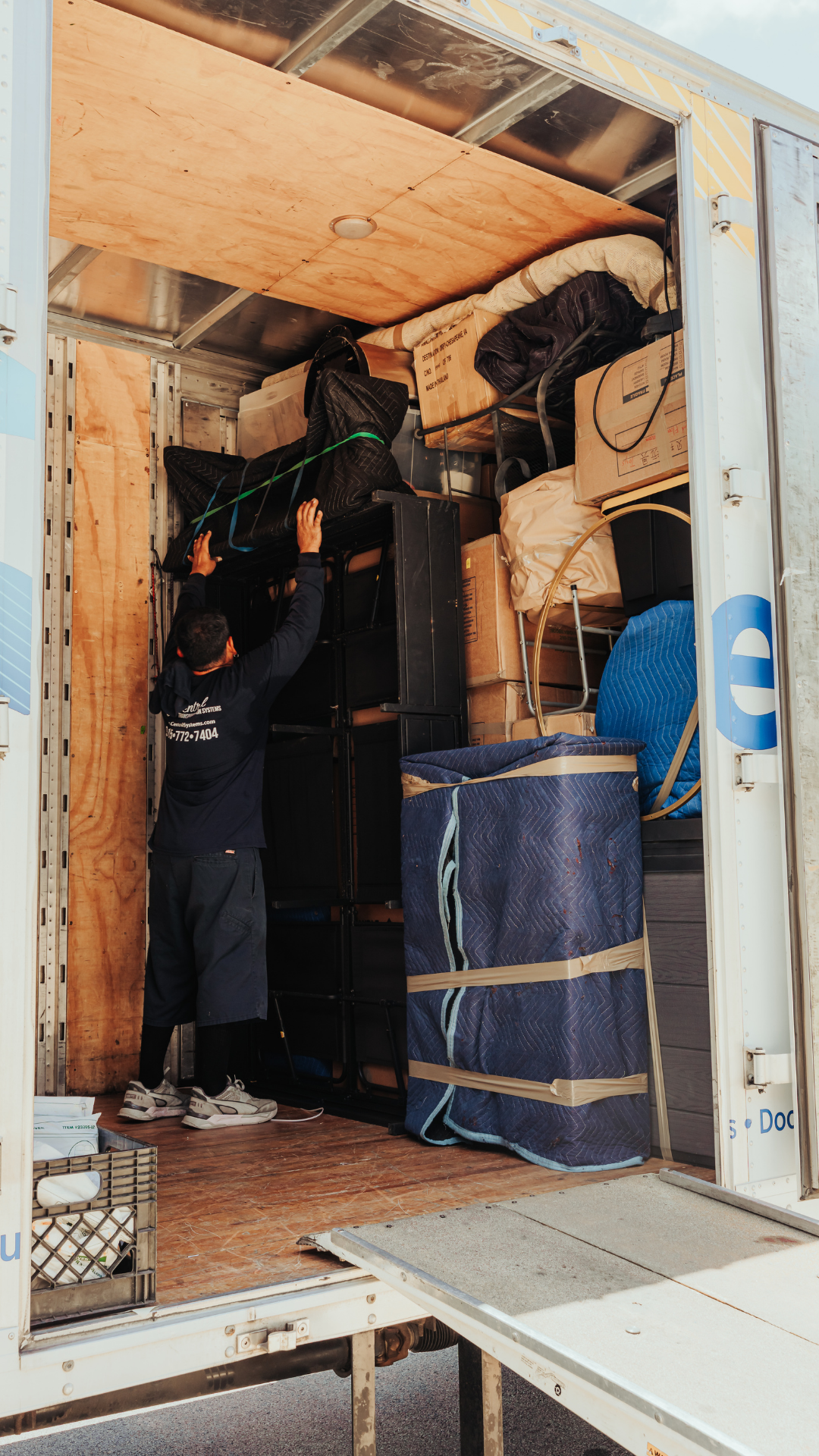
On pickup day, the same careful wrapping and protection standards apply as any local move, but with extra attention paid to how items are secured for a longer drive, nothing shifting loose over hundreds of miles of highway. Delivery at the other end follows the agreed window, and if timing doesn’t line up perfectly with the new home being ready, secure storage bridges that gap without introducing a separate, unvetted provider into the process.
It might seem counterintuitive that a company’s local reputation matters for a move that’s ultimately headed somewhere else entirely, but it actually matters quite a bit. A company with deep roots in Austin has more at stake in getting the local pickup portion right, the part involving navigating downtown loading docks, apartment complex rules, and the specific traffic patterns of a city that’s grown as fast as Austin has. That local accountability doesn’t disappear just because the truck is eventually heading out of state.
Central Transportation Systems has built its long-distance service on top of genuine local experience across Austin, San Antonio, and the broader Central Texas region, which means the company isn’t treating the Austin pickup as an afterthought before the “real” long-haul logistics begin. Getting people loaded correctly and on schedule in Austin is just as much a part of doing the job right as anything that happens on the highway afterward.
Planning a long-distance move from Austin? Contact us today to discuss your relocation, request an estimate, and start planning your move with an experienced team.
Long-distance pricing is typically based on the actual weight of your belongings combined with the distance being traveled, rather than an hourly rate common with local moves. That’s why an accurate inventory taken during the estimate process matters so much; a rough guess can lead to a final price that looks very different from what you were originally quoted.
A moving company that owns its trucks and employs its own crews handles your entire move directly, while a broker takes your booking and then sells the job to a separate carrier you haven’t vetted yourself. Working directly with a carrier tends to provide more accountability, since there’s no middleman to complicate things if a problem comes up during the move.
Generally, several weeks of notice gives you the best chance at securing your preferred pickup date and enough time for an accurate estimate to be built. If your move falls during a particularly busy season, like summer, reaching out even earlier helps ensure a crew and truck are actually available when you need them.
This is fairly common on long-distance relocations, since closing dates and lease timelines don’t always sync up perfectly with a moving truck’s schedule. Having secure storage available through the same moving company means your belongings can wait safely in one place until you’re actually ready to receive them, rather than creating a stressful gap with no clear solution.
It’s worth considering carefully, since a company with real local experience tends to handle the Austin pickup portion of your move, navigating downtown buildings, apartment loading docks, and city traffic patterns, more smoothly than one without that background. That local reliability at the starting point of your move often translates into a more consistent experience for the entire relocation.
Tell us about your needs, and our team will be in touch shortly.