

M-F: 8am – 5pm
Moving from Austin to Houston keeps you within Texas, but that does not make it the same as relocating across town. The household still needs to be packed, furniture has to be prepared, access must be coordinated at two different properties, and everything needs to travel between two major metropolitan areas before unloading begins. Working with experienced movers, Austin to Houston residents can rely on help turning those individual tasks into one coordinated relocation rather than treating the job as a simple truck ride between cities.
The distance can actually cause people to underestimate the amount of planning involved. Because Austin and Houston are relatively close compared with an interstate or cross-country relocation, it can be tempting to leave decisions until the last few days. The physical work, however, remains the same whether the truck is traveling a few miles or between cities. A full household still means furniture, boxes, fragile belongings, garages, storage areas, and all of the small items accumulated over years.
The two properties may also have very different access conditions. An Austin apartment may require an elevator reservation while the Houston destination is a house with limited street parking. A gated community may need advance authorization for the moving truck. A high-rise or managed building may restrict moving to certain hours. Those details should be confirmed before the move so they do not create delays at pickup or delivery.
Scheduling deserves attention as well. The move may be tied to a lease expiration, property closing, new job, school schedule, or another fixed date. If the timeline is tight, even a small change can create complications. Planning both ends of the relocation together gives customers a clearer idea of what needs to happen before leaving Austin and what should already be ready when they reach Houston.

Packing is often the first area where professional support can reduce the workload. Customers can pack the entire household themselves, request full packing assistance, or use partial packing services for more difficult areas. Kitchens, mirrors, artwork, electronics, glassware, and other fragile belongings are common areas where professional assistance can be useful even when the customer is packing everything else.
Furniture should be evaluated before moving day rather than while the crew is trying to carry it through the doorway. Large pieces may need padding, wrapping, or disassembly. Sectionals, dining tables, cabinets, exercise equipment, and other oversized items should be identified beforehand. It is also worth considering whether every piece will fit or make sense in the Houston property. Paying to transport furniture only to discover that it cannot fit into the new room adds unnecessary work.
Loading is another part of the process that benefits from experience. Belongings have to travel between cities, so boxes and furniture should be arranged for transportation rather than simply placed wherever there appears to be space. Heavy items, fragile cartons, finished furniture, and irregular pieces all need different consideration. Proper preparation and organized loading help reduce unnecessary handling during the move.
Apartment relocations require additional coordination. Elevators may need to be booked, loading areas may have time restrictions, and gates may require codes or access approval. Customers should contact management at both locations and share those details with the mover. A moving crew arriving at a Houston apartment should not discover for the first time that the only freight elevator was supposed to be reserved several days earlier.
Storage may also become part of the Austin-to-Houston move if departure and move-in dates do not align. The customer may be entering temporary housing, waiting for a home to close, or moving into a property that is still being completed. Discussing storage before moving day allows belongings to be separated more deliberately instead of mixing everything and sorting it later.
Planning should begin with an inventory and a realistic moving date. Walk through the entire Austin property, including closets, garages, patios, sheds, attics, and storage units. Decide what is actually going to Houston and what can be sold, donated, recycled, or discarded. Moving is a good opportunity to reduce belongings that no longer serve a purpose, especially when the layout of the new home is different.
Once the inventory is established, pack in a sensible order. Start with belongings that are not used daily. Seasonal decorations, books, spare linens, guest-room items, stored clothing, and less frequently used kitchen equipment can usually be packed first. Label every box with the destination room and a basic description so unloading in Houston is easier.
Keep immediate necessities outside the main shipment. Identification, financial records, medications, keys, valuables, chargers, work equipment, toiletries, and a change of clothing should travel with you. Families should also pack children’s necessities separately, and pet owners should keep food, medications, carriers, leashes, and other supplies accessible. Even when delivery follows a relatively direct schedule, the first evening in a new home is much easier when essential items do not need to be located inside dozens of boxes.
Children and pets need additional planning on moving day. Heavy furniture, open doors, and constant traffic make the loading area a poor place for young children or animals. Arranging for a relative, sitter, secure room, boarding service, or another suitable option can make the move safer and easier. At the Houston property, pets should remain secured while exterior doors are being used for unloading.
Prepare the Houston home before the truck arrives. Confirm utilities, access, parking, elevators, and gate arrangements. Decide where large furniture belongs and measure questionable spaces. If possible, clean the property while it is still empty. Label rooms or provide a simple floor plan if the layout is not obvious. Giving the moving crew clear directions during unloading reduces the likelihood that heavy furniture has to be moved a second time.
The estimate should also reflect the entire relocation. Provide accurate information about the household, furniture, expected boxes, property access, packing requirements, stairs, elevators, storage, and unusually large belongings. When comparing companies, look at what each estimate includes rather than comparing only the final number. Two prices may represent very different levels of service.
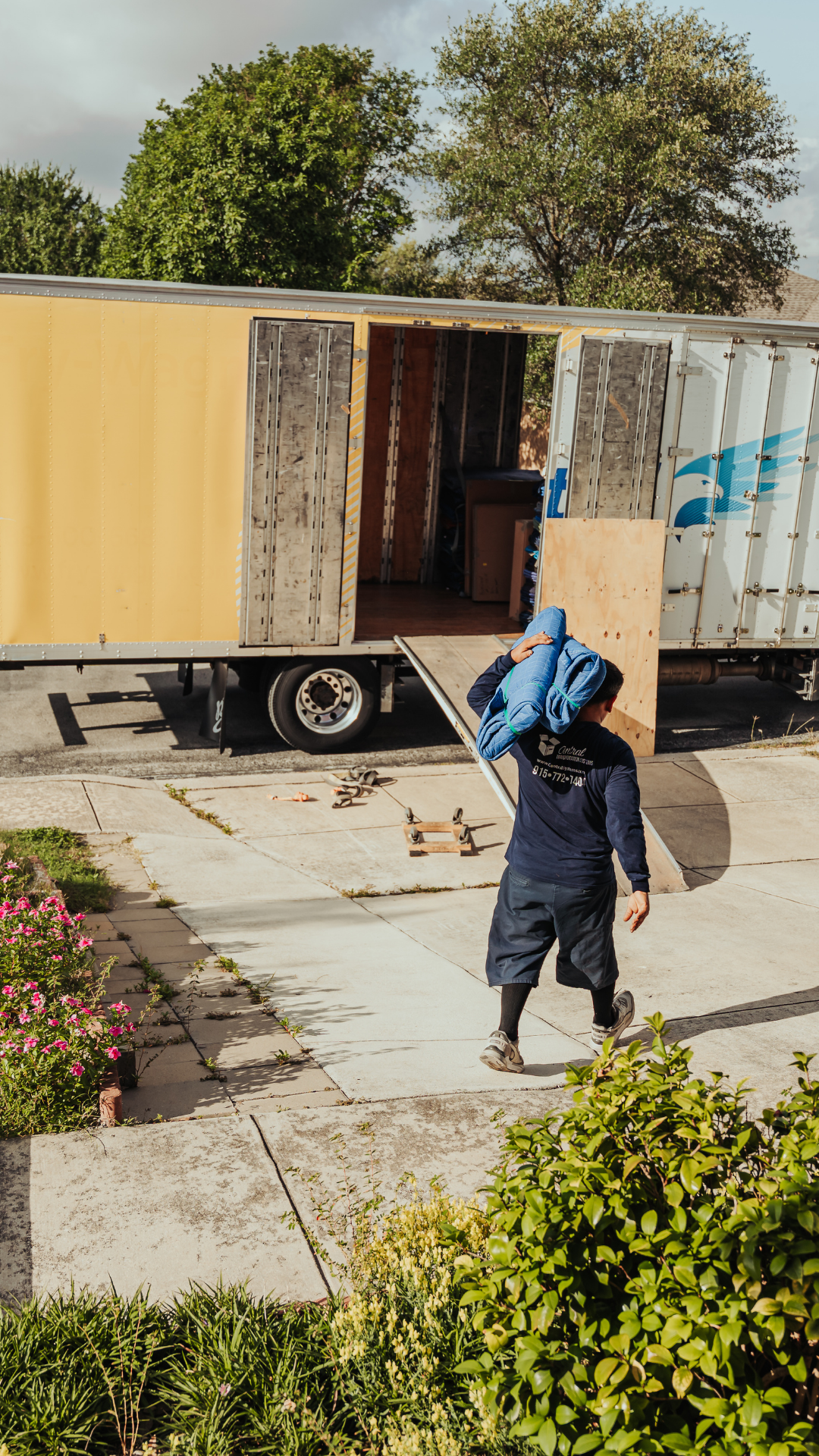
An Austin-to-Houston move with Central Transportation Systems begins with a discussion about the household, addresses, schedule, and services required. Understanding those details early gives the moving team a better opportunity to plan around both properties instead of focusing only on the pickup location.
Customers can discuss packing needs, furniture preparation, loading, transportation, unloading, and storage if necessary. The moving plan should also account for stairs, elevators, parking, gated access, or other logistical requirements that could influence either end of the relocation.
Communication is particularly useful when moving between cities because customers may be dealing with several other responsibilities at the same time. Work changes, leases, property closings, school arrangements, utility transfers, and travel can all compete for attention. Having the physical move organized gives the household one less set of details to figure out at the last minute.
If the move changes significantly after the estimate, the moving company should be updated. Extra furniture, a newly packed storage unit, changes to the destination, or a different access situation can affect how the job needs to be handled. Providing those updates before moving day allows the plan to reflect the move that is actually happening.
If you are preparing to relocate from Austin to Houston, contacting Central Transportation Systems early gives you time to discuss the move before the final weeks become crowded with packing and other responsibilities. A clear plan from pickup through delivery can make the transition between the two cities much easier to manage.
Several weeks ahead is a sensible starting point for many households, while larger homes, busy moving periods, or relocations requiring packing and storage may benefit from earlier scheduling. Starting early also gives you more time to confirm access at both properties.
Yes. Partial packing can be useful when you want to handle clothing, books, and ordinary household belongings yourself but prefer professional assistance with kitchens, glassware, artwork, mirrors, electronics, or other delicate items.
Keep identification, medications, financial records, valuable personal items, keys, chargers, work necessities, toiletries, clothing, children’s immediate needs, and pet supplies with you.
Provide details about your household inventory, furniture, expected boxes, stairs, elevators, parking, gates, apartment requirements, large or fragile pieces, packing services, and storage needs. Information about both the Austin and Houston properties is important.
Confirm access and utilities, reserve elevators if necessary, make sure parking or gate arrangements are in place, decide where major furniture should go, and clearly identify rooms. Preparing the destination makes unloading faster and reduces the need to move heavy items again after delivery.
Tell us about your needs, and our team will be in touch shortly.