
A clinic expansion is underway, a hospital wing is being refreshed, or a growing practice is finally moving into a larger space. Everything is lined up perfectly until one reality hits hard. If vital medical equipment is mishandled, delayed, or damaged during the move, patient care does not just slow down. It can stop entirely.
Relocating medical equipment is nothing like moving office furniture or standard commercial assets. These devices are delicate, calibrated, regulated, and often central to daily operations. One wrong tilt, temperature swing, or documentation gap can create costly downtime and compliance complications that ripple across schedules and staff.
That is why working with Specialized Medical Equipment Movers is not a luxury. It is a necessity. In this guide, we walk through what makes medical relocations different, how compliance works in everyday terms, and how experienced teams protect equipment, timelines, and continuity of care from start to finish.
Medical Equipment Moves Are Not Just Heavy, They Are Precise And Time Sensitive
Medical technology is engineered to perform within tight tolerances. Many devices rely on precise calibration to deliver accurate results, whether that involves imaging, diagnostics, sterilization, or patient monitoring. Even small jolts, vibrations, or uneven positioning can affect performance long after the move appears complete.
This is why Specialized Medical Equipment Movers focus on precision before strength. Equipment often must remain level, cushioned from shock, protected from moisture, and shielded from temperature fluctuations throughout transit. A device that looks intact on the outside may suffer internal misalignment that impacts accuracy once powered back on.
The operational consequences are significant. A delayed lab analyzer can push back test results. A damaged imaging system can cancel procedures for days or weeks. An offline sterilization unit can disrupt surgical schedules. Every piece plays a role in patient flow and safety.
Medical equipment also extends far beyond what many expect. It includes imaging machines, laboratory analyzers, surgical tools, sterilization systems, pharmacy refrigeration units, dental and orthodontic devices, and IT infrastructure supporting digital records. Even supporting systems become mission-critical when they connect to the workflow.
The environment itself adds complexity. Clinical spaces are often tight, clean, and patient-facing. Hallways are narrow, entrances may involve elevators, and operations may continue during relocation phases. Professionalism here is quiet competence. Moves must happen smoothly without disrupting care or compromising sanitation standards.
Safety And Compliance In Everyday Terms During A Relocation
When people hear the word compliance, they often imagine mountains of regulations. In reality, it simply means handling equipment in ways that protect patients, staff, and the facility while maintaining accurate records and accountability.
With Specialized Medical Equipment Movers, compliance begins with understanding each device’s handling requirements and each facility’s protocols. Some equipment cannot be tilted. Others require controlled temperature ranges. Certain areas demand protective coverings and contamination prevention.
Chain of custody plays a major role. This means knowing exactly who handled each item, when it was moved, where it traveled, and where it was delivered. Clear labeling, itemized inventories, condition photos, and sign-offs ensure accountability throughout the process.
This documentation reduces disputes, simplifies valuation coverage discussions, and allows faster troubleshooting if something shifts out of alignment. It also reassures facilities that assets were managed responsibly at every stage.
It is also important to distinguish between valuation coverage and insurance. Moving companies typically offer valuation coverage options that define responsibility for loss or damage based on declared value. Insurance may exist separately depending on circumstances. Facilities should always ask for written terms outlining what is covered during packing, transit, staging, and delivery.
The Risks of Using General Movers For Medical Equipment
General commercial movers are skilled at relocating offices, warehouses, and furniture, but medical equipment introduces entirely different challenges. Improper packing is one of the most common failure points. Blanket wrapping alone offers little shock protection for sensitive devices.
Without proper crating, vibration control, moisture barriers, and secure load balancing, equipment can shift or absorb impact forces that cause internal damage. Rushed staging areas increase the risk of collisions and missing accessories.
The downtime domino effect often follows. Delays lead to canceled appointments. Staff schedules unravel. Patients become frustrated. Revenue loss compounds quickly.
Another hidden issue arises when equipment arrives but is not truly ready for use. Many devices require precise placement, stabilization, reconnection, and sometimes vendor verification before returning to service. Power requirements, floor load limits, clearance space, and HVAC conditions all matter.
Professional medical movers plan for readiness, not just arrival.
How Specialized Movers Handle Medical Relocations Step By Step
Every successful medical equipment move begins with a detailed walkthrough. Routes are mapped carefully, measuring doorways, elevator capacities, floor protection needs, and staging zones. Timing is coordinated around patient flow and clinical schedules to minimize disruption.
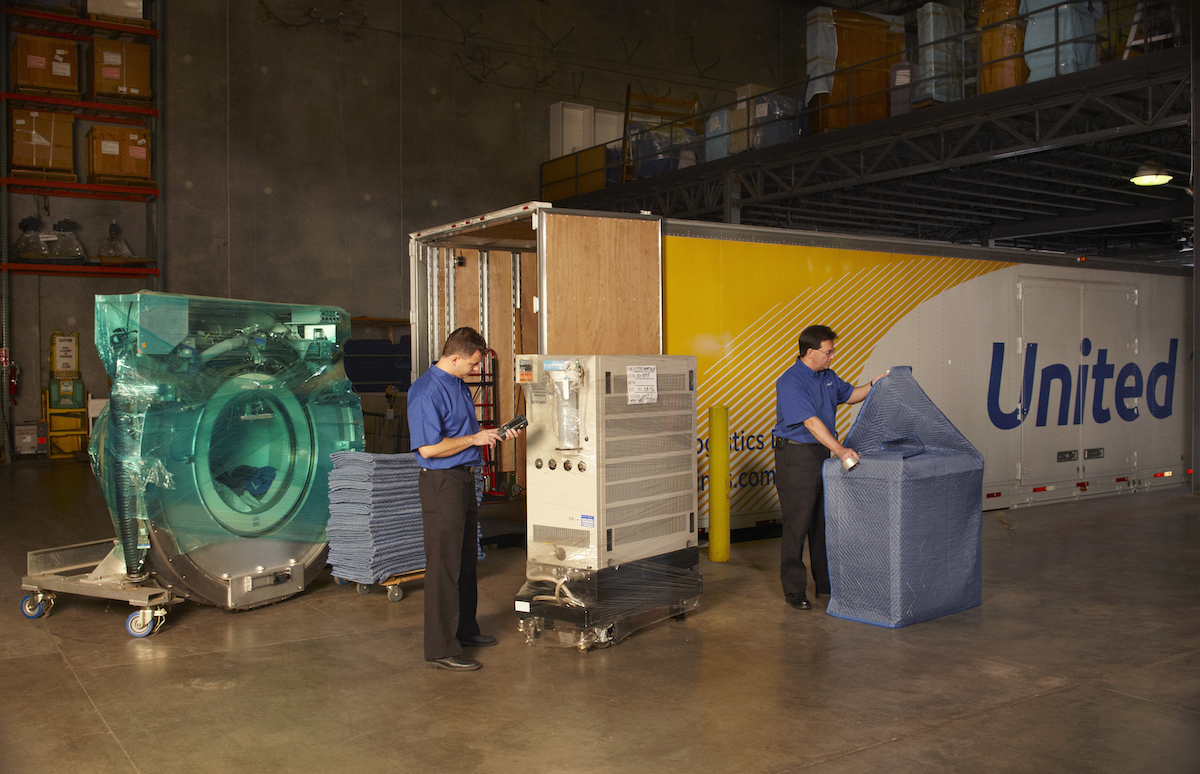
Packing strategies are customized for each device. Custom crating provides rigid protection. Anti-static materials safeguard electronics. Moisture barriers protect sensitive components. Shock-reducing supports cushion movement. Components are separated carefully and labeled to prevent missing pieces during reassembly.
Transport practices emphasize stability. Lift gates, securement systems, and carefully sequenced loading maintain balance and reduce vibration exposure. For temperature-sensitive equipment, environmental controls may be applied during transit.
Delivery involves more than unloading. Equipment is positioned according to floor plans, unpacked carefully, debris removed, and staged for vendor hookup if required. Communication with facilities teams ensures rooms are ready and workflows resume efficiently.
This level of planning is exactly why Specialized Medical Equipment Movers consistently protect uptime and reduce post-move complications.
Different Medical Settings Require Tailored Approaches
Large hospitals involve layered coordination across departments, security protocols, after-hours moves, and patient safety controls. Noise reduction and contamination prevention are priorities.
Clinics and private practices focus heavily on keeping schedules intact. Many relocations happen over weekends or phased timelines, so essential equipment remains operational.
Laboratories often handle temperature-sensitive and refrigeration systems. Continuity planning ensures nothing spoils or becomes compromised during transitions.
Imaging centers involve high-value systems that may require vendor involvement for deinstallation and reinstallation. Route planning, floor protection, and strict handling protocols are critical here.
Across all environments, documentation, communication, and precision separate smooth relocations from chaotic ones.
Choosing The Right Partner For Medical Equipment Relocation
True specialization shows in the details. Professional movers provide clear written plans, documented inventories, dedicated coordinators, and transparent scopes of service.
They explain their packing methods for specific devices, outline the chain of custody tracking, coordinate placement and vendor involvement, and clarify valuation coverage in writing. Communication remains steady before, during, and after move day.
One example of a company experienced in handling complex, high-responsibility relocations across Texas is Central Transportation Systems. With roots dating back over 90 years in Waco, they have supported medical institutions, government agencies, military operations, and large organizations where precision and accountability matter most.
Red flags include vague processes, pressure tactics, unclear exclusions, and statements like “we will figure it out on move day.” Professional movers bring structure long before the first crate is lifted.
Practical Planning Tools That Protect Uptime And Care
Successful relocations rely on preparation. Equipment lists should include models, serial numbers when appropriate, photos, and priority rankings for must-stay devices. IT systems require backup planning and reconnection strategies.
Rooms must be ready with verified power, clearance, access routes, and floor protection. Staff communication ensures everyone knows what moves when and who signs off on handoffs.
On move day, designated on-site contacts coordinate with movers and vendors. Staging zones keep corridors clean and safe. Condition checks occur at pickup and delivery.
After the move, placement is verified against plans, basic functionality checks occur, documentation is finalized, and any exceptions are recorded clearly.
Real-world scenarios show how this works in practice. A clinic may relocate over a weekend to protect appointments. A laboratory may move refrigeration units with strict timing windows. An imaging suite upgrade may revolve around vendor schedules.
Common mistakes include moving equipment before rooms are ready, failing to label accessories, neglecting downtime planning, and treating valuation coverage as a checkbox rather than a risk decision.
A Steady Path To Safe And Compliant Medical Relocations
Medical equipment moves protect more than assets. They protect continuity of care, patient trust, and operational stability. When relocations are planned early, documented thoroughly, packed for precision, and handled by experienced specialists, the process becomes controlled instead of chaotic.
The smartest approach always centers on preparation, transparency, and accountability. Choosing Specialized Medical Equipment Movers ensures that every phase of relocation supports safety, compliance, and uptime.
If your facility is preparing for an expansion, renovation, or relocation, Central Transportation Systems is ready to help you map timelines, protect sensitive equipment, manage documentation, and execute a low-disruption with confidence.
Because in healthcare, every detail matters, and every move should support the care you provide, not interrupt it.
Frequently Asked Questions
- What qualifies a company as a specialized medical equipment mover?
Experience with sensitive equipment, customized packing methods, documentation protocols, and coordinated placement support. - How far in advance should we plan a medical relocation?
Ideally, several months ahead to allow walkthroughs, equipment planning, and scheduling buffers. - Can movers help with placement and setup coordination?
Yes, many specialized movers provide white-glove service and vendor coordination. - What documentation should we expect?
Itemized inventories, condition photos, chain of custody logs, and delivery sign-offs. - How do we minimize downtime?
Through phased moves, priority equipment delivery, and careful timeline planning. - What is the difference between valuation coverage and insurance?
Valuation coverage defines the mover’s responsibility for loss or damage based on declared value, while insurance may exist separately. - Can equipment be stored temporarily?
Yes, short-term and long-term storage solutions are often available when timelines shift. - How is sensitive equipment protected from vibration?
Through custom crating, shock absorption materials, and stabilized transport practices.

Eric Barker is the Vice President of Commercial Services at Central Transportation Systems and a recognized voice in the moving and relocation industry. With over a decade of experience in military household goods logistics, operations, and commercial moving services, Eric has played an active role in shaping conversations around the future of PCS (Permanent Change of Station) moves and military relocation policy. He currently serves on the board of the Southwest Movers Association and the IAM DAB DMV (International Association of Movers, Distinguished Agents Board, DMV chapter), reflecting his ongoing commitment to industry leadership and standards. He recently joined industry leaders at the 50th Annual Dispatchers Convention to discuss the major structural changes affecting military moving in 2026. Through his leadership and operational expertise, Eric helps ensure military families receive reliable, efficient, and professionally coordinated moving services during periods of significant industry transition.