
There’s been a major shakeup in Permanent Change of Station (PCS) moves. As we move into the peak moving season, these changes will affect thousands of military servicepeople and their families.
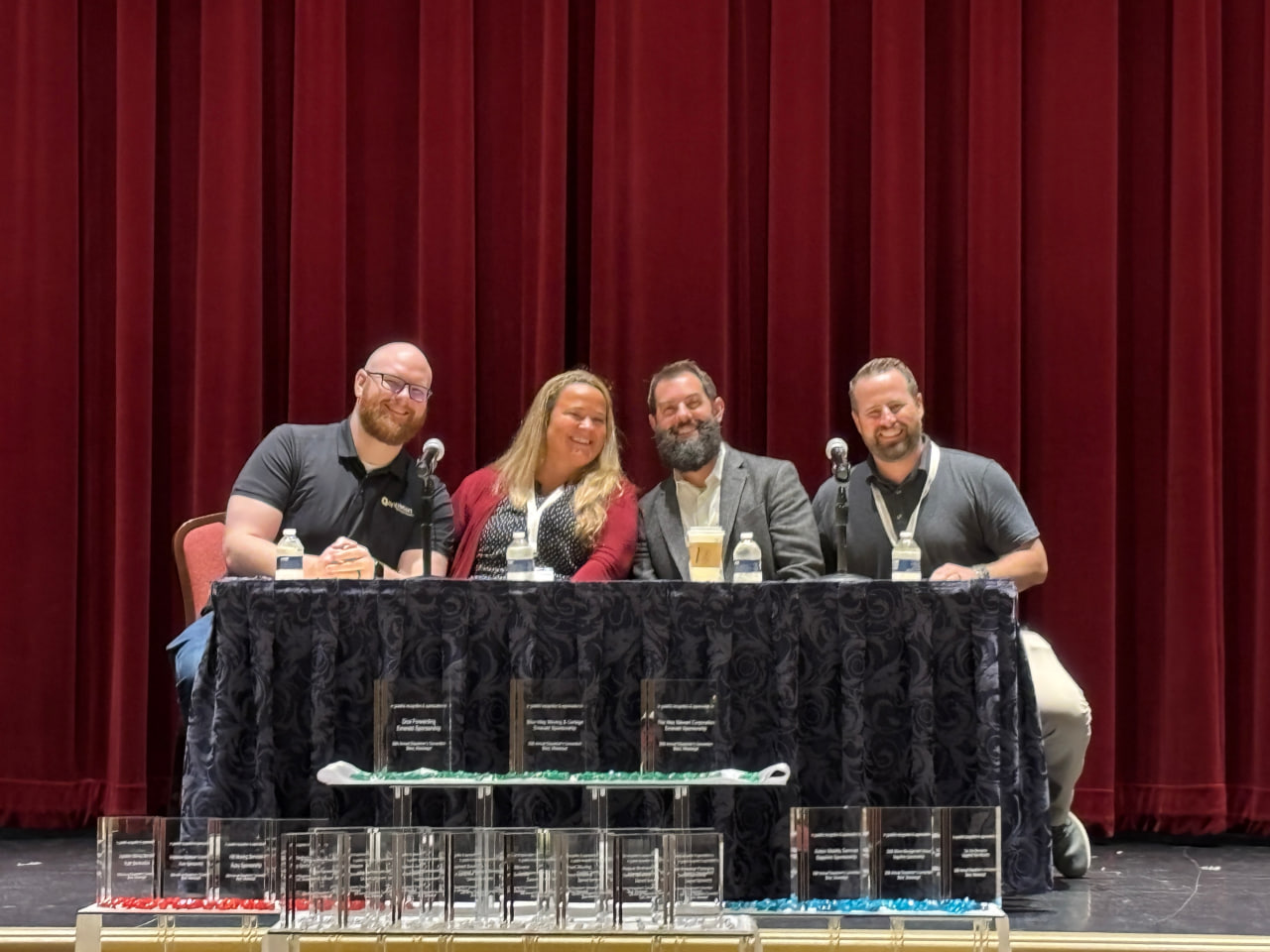
Leaders in the moving industry just met for a landmark event to discuss trends, crowd-sourced questions, and the topic of military moving. And Central’s VP of Commercial Services joined the panel to talk about what’s next for military moving.
Let’s talk about these changes, and what you need to know if you have a PCS move on the horizon.
If you’ve got questions about your PCS Move, we’ve created this downloadable PDF to help
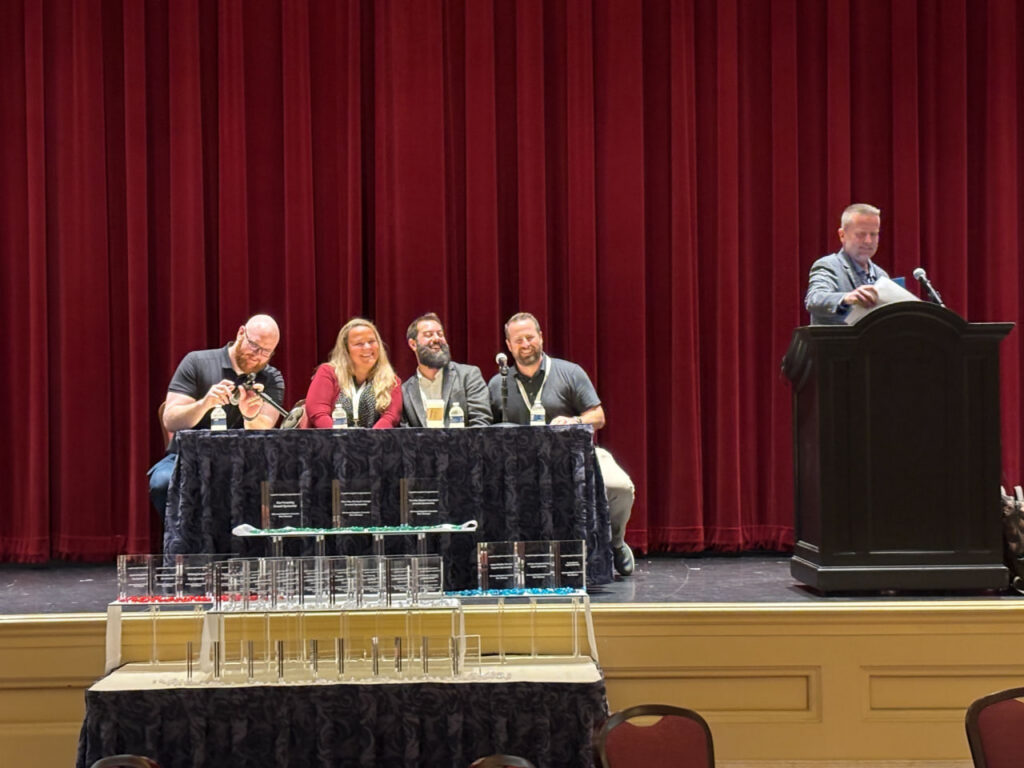
The 50th Annual Dispatchers Convention
The 50th Annual Dispatchers Convention took place in Biloxi, Mississippi. This event marked a half-century of the moving industry’s most established operational gathering. 2026 marked a milestone for this historic gathering. It also marks a year with the biggest changes to PCS policy in decades.
Dispatchers, operations leaders, and senior managers from household goods and military carriers gathered to compare notes on what’s actually happening in the field to adapt to these changes. Appleton Moving Company was an official event sponsor.
In 2026, almost everything about military moving is in motion. The fact that Eric Barker, VP of Commercial Services at Central Transportation Systems, joined the panel of experts led by Dan Bradley, the VP of Government and Military Relations at the International Association of Movers (IAM) is a testament to Appleton Moving Company’s century of moving experience.
Bradley is the main point of contact between IAM’s 2,000-plus member companies across 170-plus countries and the U.S. Department of Defense, TRANSCOM, and the agencies that regulate military and government moves. He spent 20 years in the Air Force as a Transportation and Logistics Readiness Officer. He’s also a former Deputy Chief of Staff for Personal Property at the Surface Deployment and Distribution Command. All that to say that when Bradley moderates a panel on military moving, the conversation isn’t theoretical. It’s informed by people who’ve actually run the system from inside the Pentagon.
Here’s why the 2026 policy changes matter for military personnel and their families.

A Critical Moment in the Industry
The Defense Personal Property Program (DP3), sometimes called the legacy or tender system, has moved military families for decades through a network of 900-plus commercial carriers. In 2021, a contract was awarded to a single contractor under the Global Household Goods Contract (GHC). After repeated delays, roughly 1,000 documented service-member complaints, and a show cause notice from TRANSCOM, the Pentagon terminated the GHC contract in early 2026.
Here are some important changes to PCS policy:
- Military moves have returned to the traditional installation-based system that served our military prior to 2021.
- Families will work directly with their Personal Property Office to route their shipments to commercial carriers they already know and trust.
- On May 1, 2026, a new permanent oversight agency (stationed at Scott AFB in Illinois and reporting to the Secretary of Defense) will stand up to oversee this process.
- Discretionary PCS moves will be reduced by 50% by FY2030.
- The temporary 130% PPM reimbursement was rolled back.
And these changes take effect just as peak PCS season begins.
Why It Matters That Central Transportation Systems Has a Seat at the Table
Central Transportation Systems (an Appleton Moving Company) is listed as a Core Member representative on IAM’s official Leadership page. That means the company’s votes on the governing body help shape IAM’s policy.
This matters because real experience translates to practical solutions for our military’s servicepeople. At the Convention, dispatchers and operations leaders in the Biloxi auditorium had real questions like:
How do we staff for this peak season?
What kind of documentation is the new oversight agency going to require?
How do we communicate with service members who aren’t sure which system they’re in?
Questions like these have to be answered by companies that stayed in the legacy system, didn’t sign on to GHC, and have decades of experience handling moves for military families.
Here at Central, we’re proud of our decades of service under the DP3 program. We’ve worked alongside TRANSCOM and Personal Property Offices for years, and we’ve built relationships with the base contacts and referral partners who keep these moves running.
This experience is exactly the steady presence needed during this time of industry transition.

If You’ve Got PCS Orders, What Comes Next?
Peak PCS season starts in weeks. The military moving system is being reassembled in real time. Established commercial movers are being asked to absorb capacity while a new permanent agency gets established. And Central is preparing for this season the same way we’ve prepared for every one before — with trained crews, tight coordination with Personal Property Offices, and the kind of referral relationships that only come from showing up consistently.
If you’ve got a 2026 PCS move, we’d love to make it efficient and low-stress for you and your family. Contact Central today, and let’s make this PCS move the best experience possible.
