


You lift the lid on the last box, slide the dresser into its corner, and there it is. Your dresser’s veneer is cracked along one edge. It wasn’t that way on packing day. It must have been damaged during the move.
Many people have concerns about the safety of their belongings, and that’s why reputable movers take care to protect items and offer valuation coverage. But when the unexpected happens, what happens next?

What happens if movers damage your furniture?
A cracked dresser feels like plain bad luck. But the next steps after the damage depend on the level of coverage selected back when the mover gave you the estimate. If your furniture (or other items) are damaged during the move, it’s important to know what caused the damage, and the coverage level you picked. Knowing this information gives you a process you can follow.
A reputable mover understands that the unexpected sometimes happens, and knows how to handle a claim. The difference between a smooth resolution and a frustrating one usually traces back to a coverage decision made weeks earlier, at the estimate, before the dresser was ever damaged.
Is the coverage on my move the same as insurance?
Movers offer protection for your move called valuation, and it’s built into your quote. Valuation sets a cap on how much the mover owes you for your things, fixed under the law and by whichever coverage option you selected, and it works differently from an insurance policy. With valuation, you don’t have to prove the mover did anything wrong. If your goods arrive damaged, the mover is responsible up to the coverage level you chose, regardless of the reason.
In Texas, movers are required to spell out your level of coverage in the contract, in plain language. If you’d like to purchase third-party insurance on your possessions, you can arrange it on the side, and your Move Consultant can help you understand your options. Sorting valuation from insurance is the first step to understanding any claim.

Who’s responsible if the movers break something?
Damage to your home is one issue, and damage to your belongings is another. There are different rules for each.
A gouged wall or a scratched floor is what movers call real property. No per-pound cap applies to this kind of damage: the mover is responsible for repairing it. This kind of claim would be filed directly with the moving company.
Damage to the items riding on the truck is the other category, and that’s the type of damage your chosen valuation level covers. When people ask whether their furniture is protected, they usually mean protection against this kind of damage. This is why it’s important to understand the difference between full value and released value coverage.

What does “covered” mean when it comes to valuation?
When a move goes from one state into another, moving companies are required by federal law to offer two coverage levels. You choose which one’s right for your move and the cost is built into your estimate.
The basic level is called released value, and it usually comes at no added cost. The catch is how it pays: by an item’s weight rather than its price, at a federal rate of roughly sixty cents for every pound. The higher level is full value protection, which costs extra and is measured by replacement instead of weight. With full value protection, a lost or damaged item can be repaired, swapped for something comparable, or settled at what it would cost to replace today.
“Covered” means different things depending on the level of valuation you choose. The same broken item can pay full replacement value on one level and just a few dollars on the other.
Why would a claim pay only a few dollars?
Think of a small painting or a collectible. It’s not very heavy, but could be worth thousands. Under released value, its claim is settled by weight. Since the item doesn’t weigh much, you’d only receive sixty cents per pound if it were damaged (nowhere near its market value or cost to replace). This is why anything small and precious (like art, electronics, jewelry, and heirlooms) should be listed on a High-Value Inventory form.
It’s also why full value coverage might be a great option for your move. Under full value those pieces are handled on replacement cost, not shipping weight. One important caveat: anything worth more than a hundred dollars a pound needs to be written onto the paperwork in advance. List those pieces, or the mover can cap what full value protection pays on them.
How a claim is settled depends on the level of coverage you picked, the kind of move, and the item’s own weight and worth. That said, what you’d get back depends on several things. Your Move Consultant can help you understand this process.

Does it matter whether the move was across Texas or across the country?
Ask any Texan: Texas is unique. Moving laws are unique in Texas as well; the state doesn’t mandate a minimum level of coverage for Texas intrastate moves. If you’re moving within Texas, your coverage is only what’s on the contract, and that number can even be zero when the contract says so plainly. For moves that cross state lines, the federal sixty cents per pound rate covered by released value protection applies.
Cross an ocean and you enter a third system entirely. Both coverage levels cover only the United States leg of the move. The moment your shipment clears the border, moves are governed by different regulations. Sea freight answers to a federal law that limits liability to five hundred dollars for each package unless you declare more, and air freight answers to a treaty capping it near thirty-five dollars per kilogram. Protection for that overseas stretch usually comes from separate marine cargo insurance. On any international move, make sure you understand the coverage of each leg of travel. Your Move Consultant can walk you through the coverage for each leg.
What can you do before moving day to protect your furniture?
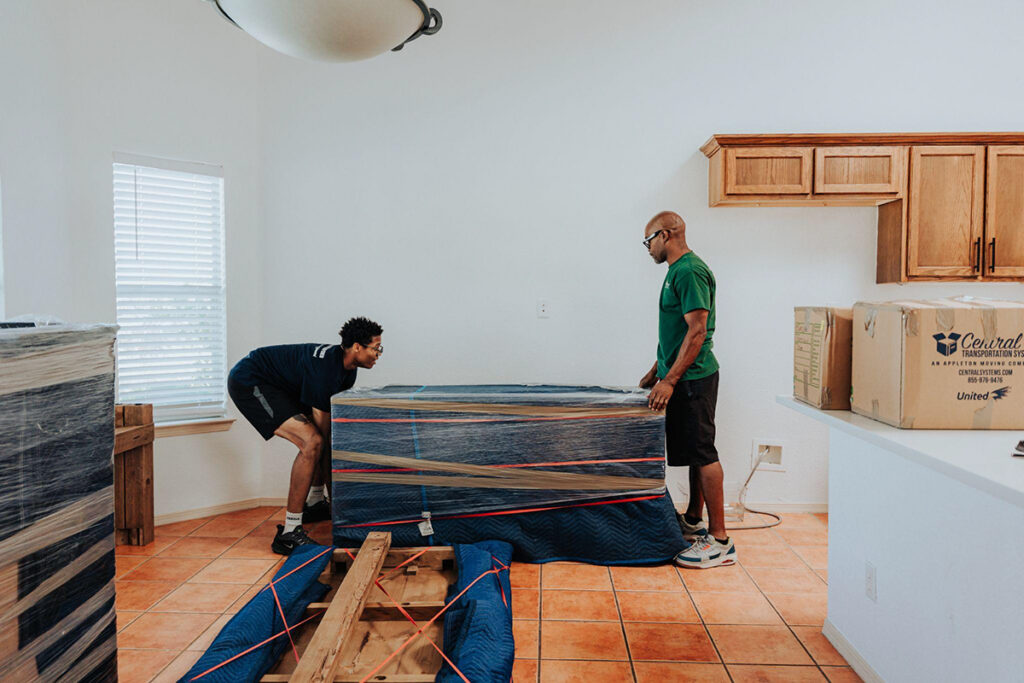
What you’d be owed if something breaks is decided before the truck is loaded. A few things to take care of before then: Ask your mover which coverage levels they offer, and decide whether full value or released value protection is right for your move. Make sure your high-value pieces are documented on a High-Value Inventory form, especially the light, expensive ones. Have your Move Consultant walk you through how a claim would play out for your two or three most important pieces. Get every coverage term in writing, so nothing rests on remembering a phone call. Take photos of your valuables before they’re wrapped, so their condition is on record.
Most importantly, choose a moving partner with the experience and equipment to protect your belongings, and check their reviews and credentials for a history of good service.
None of these steps take long, but they’re all ways to protect your furniture (and other belongings) before moving day. And when the truck arrives, check your belongings against the inventory and note any damage before the crew leaves. That on-the-spot record is what a claim rests on.
Where a white glove move changes the odds
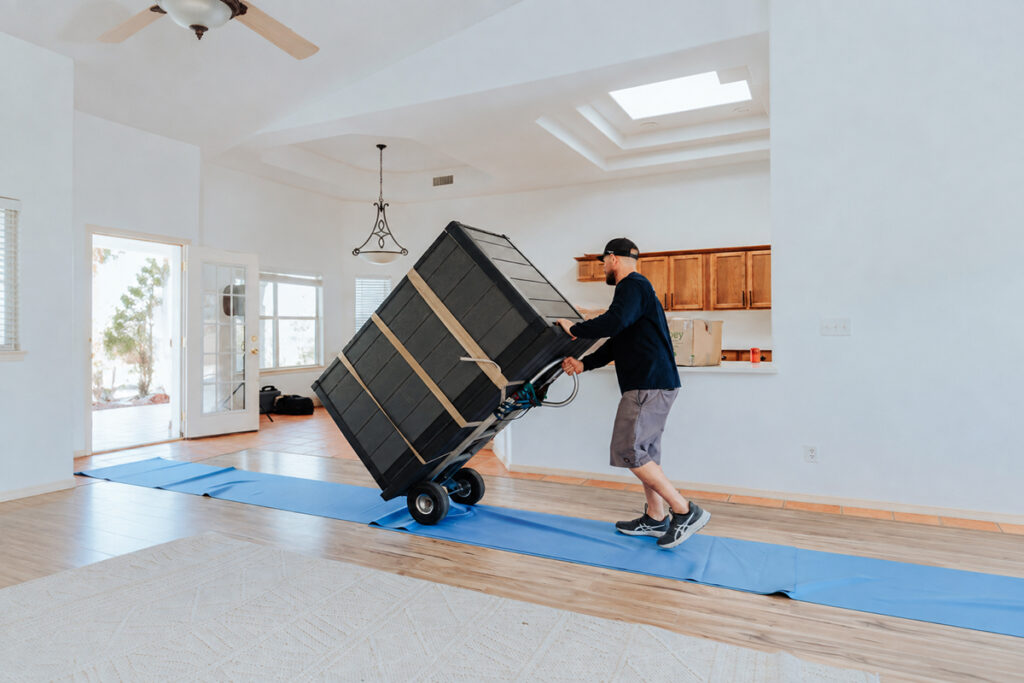
A lot of damage can be prevented, and preventing it is part of what a white glove moving service (also called turnkey, end-to-end, or full service moving) is built to do. White glove means the same team packs, pads, loads, transports, and unpacks your belongings as one job, with the careful handling built in rather than left to chance. Because Central owns its own trucks and employs its own crews, the same team is accountable from load to delivery, not a rotating set of subcontractors. A Move Consultant talks the coverage through with you ahead of the whole process.
Central Transportation Systems has been moving families and businesses for a century. We walk customers through what protects their belongings and what to do if something goes wrong, so a move stays as low-stress and streamlined as possible. You’ve got enough on your mind settling into a new place. You shouldn’t also be guessing what the next steps would be if there’s a crack in a dresser’s veneer.
Wondering which coverage level fits what you’re moving? Contact Central Transportation Systems today. We’d love to walk you through your options and how each would land for your furniture and your peace of mind.
Frequently Asked Questions
If a piece arrives damaged, note it on the delivery paperwork before the crew leaves and photograph the damage right away, because that record is what a claim rests on. Then contact your Central Transportation Systems Move Consultant to open a claim under the coverage you chose, rather than repairing or discarding the item first.
You file a moving damage claim in writing with the company responsible, usually the booking agent, and for a move that crosses state lines it can also involve the van line named on the bill of lading. Include photographs, your inventory, and the item’s details, and file within the claim window your paperwork sets, since that window is limited.
Homeowners and renters policies usually offer little or no coverage for items damaged in a professional move, because goods in a mover’s care are often excluded or tightly limited, so check your own policy before you count on it. The mover’s valuation is a separate thing, and you can also buy standalone moving insurance for the shipment.
The protection most movers include is valuation, a cap on the mover’s liability instead of a true insurance policy, so what it pays for damaged furniture depends on the level you chose. Full value protection can repair or replace a piece, while the basic released value level pays only by weight, so full insurance coverage for replacement is something you arrange separately.
There’s a limited window to file a moving damage claim, and it’s set in your moving paperwork (or, on an interstate move, in the bill of lading), so find that deadline before the truck arrives. Report any visible damage at delivery and file as soon as you can, because waiting can push a claim past the window.

Eric Barker is the Vice President of Commercial Services at Central Transportation Systems and a recognized voice in the moving and relocation industry. With over a decade of experience in military household goods logistics, operations, and commercial moving services, Eric has played an active role in shaping conversations around the future of PCS (Permanent Change of Station) moves and military relocation policy. He currently serves on the board of the Southwest Movers Association and the IAM DAB DMV (International Association of Movers, Distinguished Agents Board, DMV chapter), reflecting his ongoing commitment to industry leadership and standards. He recently joined industry leaders at the 50th Annual Dispatchers Convention to discuss the major structural changes affecting military moving in 2026. Through his leadership and operational expertise, Eric helps ensure military families receive reliable, efficient, and professionally coordinated moving services during periods of significant industry transition.