


Figuring out how to get rid of furniture before moving can feel overwhelming. You’ve decided the old couch isn’t coming with you, but it’s still in the garage, and you need it gone before you leave. You can donate, sell, or give away usable furniture, or arrange disposal for pieces that can’t be reused. The next step is confirming who can collect it and when.
The time between deciding to donate and needing the house empty is your donation window. Perhaps you’re hoping to make a year-end donation to support a local cause. If you’re moving sooner, though, your move-out date is the deadline to plan around. What are your options for getting it collected? And how can your mover help you prepare?
The good news is you don’t have to do all the preparation yourself. With a white glove moving service (also called turnkey, end-to-end, or full service moving), the crew can help you with decluttering, pack your belongings, move them, and help you unpack at the new home.
Getting that help starts with a plan for what you’re keeping, how the other items will leave, and when everything needs to happen.
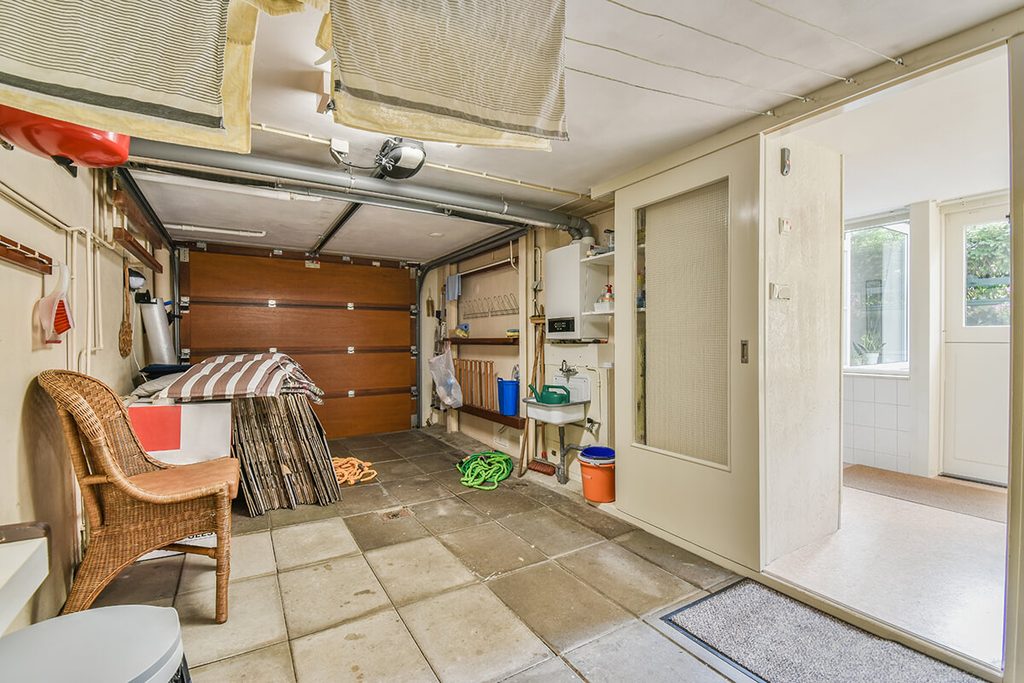
What should you show your mover before packing begins?
During your moving estimate, show your Move Consultant the furniture you’re taking, the pieces you’ve offered to someone else, and anything you’re unsure about.
If you’ve asked a charity to take a dresser, let your mover know whether the charity has agreed to collect it or you’re still waiting for a reply. If you want to keep a cabinet but don’t know whether it’ll fit in the new house, mention that too.
Your consultant can use that information when preparing the estimate. If deciding which pieces belong in your next home is holding you up, ask about decluttering services. Explain what you’ve already sorted and what you still need help with.
Talk with your Move Consultant about where you’re getting stuck, whether that’s sorting a crowded garage or moving heavy furniture, and ask what the extra help would cost.

How do you keep track of furniture you’re donating, selling, or throwing away?
Write down where each piece is going and who will take it there. Keep the pickup details with your other moving information so you can find them when you need them.
Separate the furniture into four groups:
- Coming with you to the new home.
- Going into storage because you’re keeping it.
- Going to a charity, buyer, friend, or family member.
- Being collected for disposal.
For each piece leaving separately, add the person’s name or company, their phone number, and the pickup date. Leave the date blank until someone confirms it, so you can see which calls still need to be made.
This is useful when you’re figuring out how to get rid of stuff before moving, too. Smaller donations may go to different places, and a few labeled boxes can save you from sorting everything again when you arrive.
When should you arrange donation pickups and furniture sales?
Before promising furniture to a buyer or charity, check your packing date and the day you’re leaving the house. Check whether the charity or buyer can collect the furniture before packing begins, so you have time to make other arrangements if needed.
The options take different amounts of time:
- For a charity pickup, ask whether it accepts the piece and when it can collect.
- For a donation drop-off, check the receiving hours and how you’ll get the furniture there.
- For consignment, send the shop photos and measurements. Ask when it could take the piece, what commission it charges, and what happens if it doesn’t sell.
- For a direct sale, agree on a pickup time with the buyer. If you’re considering an estate sale, contact an organizer early enough to discuss the work involved.
- For paid removal, describe the items and get a price before booking.
Donation pickup scheduling varies by location. Call to ask how far ahead the charity is booking, then compare the available dates with your move.
Ideally, you’ll have time to try another option if the first one falls through. If your move is coming up soon, ask charities and buyers whether they can collect the furniture before you leave. If they can’t confirm a pickup, look into another option while you still have time to arrange it.
Otherwise, furniture you hoped to donate may still be there when the house needs to be empty, leaving you to pay for removal.
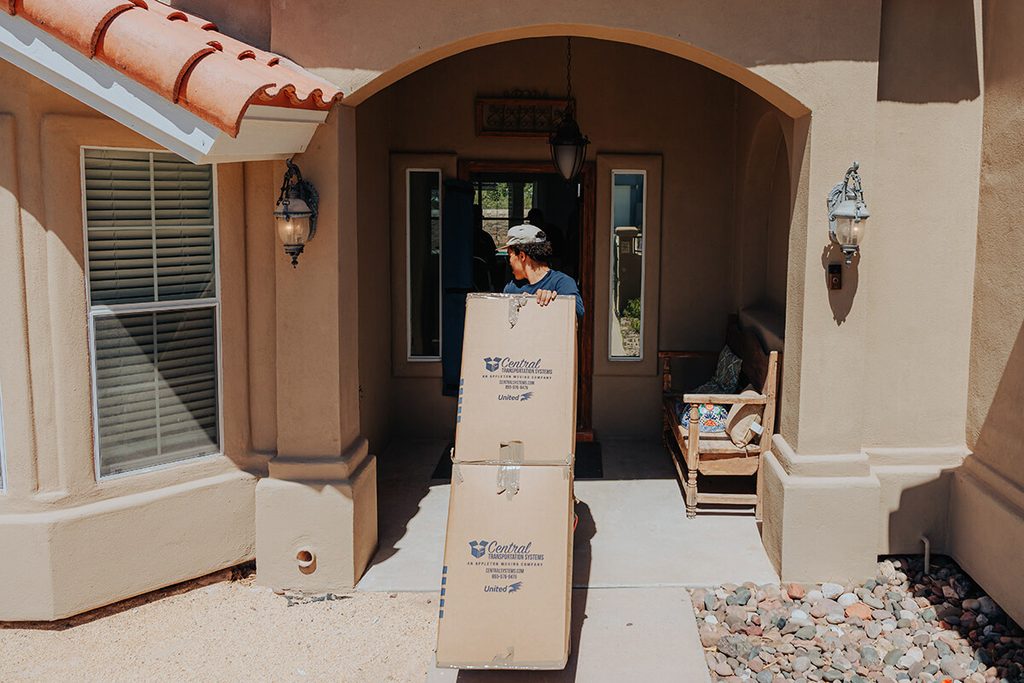
What if you’re keeping furniture but can’t move it into the new home yet?
You might be staying in a furnished rental while you wait for your house to be ready. Or you may be renovating and need to keep the furniture out of the way.
Short-term and long-term storage can help in those situations. Ask your Move Consultant about having the furniture collected, stored, and delivered when you’re ready. Review the storage and delivery charges before choosing a plan.
For a piece you’re unsure about, consider whether you want to keep it enough to pay for storage. If you do, tell your mover before the estimate is finalized so it can be included with the other stored belongings.
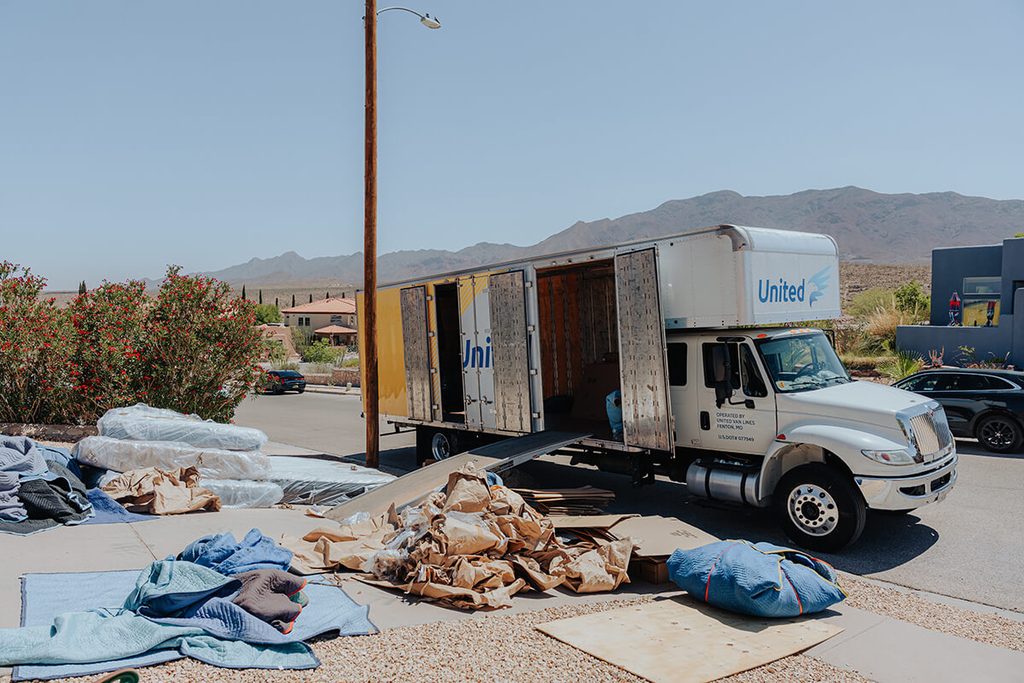
Can your mover remove debris?
Some movers offer debris removal and decluttering services. Before booking a separate collection, tell your Move Consultant what you’d like taken away and ask which removal options are available. Empty packing boxes after unpacking and a broken sofa in the garage may need different services.
If your mover offers debris removal, ask which items the team can remove, when it can do the work, and what the charge will be. Have those details included in the estimate. That gives you time to find another option for anything the team can’t take.
If you’ve already booked a charity pickup or another removal company, keep that booking until you’ve decided how the work will be handled.

Where can you donate or dispose of furniture in your area?
A charity or city service may be useful for furniture you’re leaving behind. Check with the provider before making plans, because locations, accepted items, fees, and schedules can change.
Austin Habitat’s ReStore is one donation option to check. Read its latest furniture guidelines and contact the store about your piece before taking it there. Something can still be usable without meeting that store’s donation rules.
You can also check your city’s services:
- Austin Resource Recovery currently offers bulk collection by appointment for eligible residential customers. Check whether your address is covered, whether it accepts the furniture, and which dates are available.
- El Paso residents can check the city’s Citizen Collection Stations for bulky-item drop-off. Review the pass requirements, required documents, accepted items, and current hours before loading. The stations don’t accept commercial businesses or contractors.
If a service has changed or can’t help before your move, try another provider or discuss removal with your mover. Remember to arrange transport if you’re taking furniture to a drop-off site yourself.
Your tax preparer can advise on any receipts from donations.

How can Central help you get ready for the move?
You may still have a garage to clear, cupboards to pack, and furniture that needs storage. Those are all details to discuss when you’re planning the household move.
Central Transportation Systems offers decluttering services, short-term and long-term household storage, and full-service moving help. Ask about debris removal. Let your Move Consultant know which tasks you’d like them to take off your plate so you can find out what’s available and have it included in your estimate.
A white glove moving service can handle the packing, transport, unpacking, and setup you’ve chosen. You can spend your time making the decisions that need your attention while the team takes care of the moving work.
Keep daily essentials available until you leave. Label the boxes you’re moving by room and contents if you pack any yourself, and point out anything that someone else will collect.
Still have furniture to sort out before moving day? Contact Central today.
Frequently Asked Questions
Before a move, start with furniture that blocks access for packing or loading, and pieces that need someone to collect them. Central offers decluttering services if you’d like help preparing for the move. Keep anything you still use daily available until you leave.
If a charity declines your furniture, check your city or county’s bulky-item collection and drop-off options. Confirm eligibility, accepted items and available dates before making arrangements. If those options don’t fit your moving schedule, contact a removal provider or ask your Move Consultant whether removal can be arranged.
Central can prepare your moving estimate using the furniture you’re moving, storing, or donating. Ask for any decluttering, packing, or debris-removal services you choose to be listed in the estimate, including their charges.
You may be able to get rid of usable furniture without paying a removal fee by offering it to someone who’ll collect it. You can also ask local charities about free pickups, but confirm that they’ll accept your furniture and can collect it before you move. If you’re dropping it off yourself, allow for any transport costs.
You can start packing belongings you rarely use while you’re arranging furniture donations. Keep donation items separate from the boxes going to your new home, and leave access for whoever is collecting them. If Central is doing the packing, tell your Move Consultant which furniture you’re donating and whether pickup is confirmed so the crew knows what to leave out.

Eric Barker is the Vice President of Commercial Services at Central Transportation Systems and a recognized voice in the moving and relocation industry. With over a decade of experience in military household goods logistics, operations, and commercial moving services, Eric has played an active role in shaping conversations around the future of PCS (Permanent Change of Station) moves and military relocation policy. He currently serves on the board of the Southwest Movers Association and the IAM DAB DMV (International Association of Movers, Distinguished Agents Board, DMV chapter), reflecting his ongoing commitment to industry leadership and standards. He recently joined industry leaders at the 50th Annual Dispatchers Convention to discuss the major structural changes affecting military moving in 2026. Through his leadership and operational expertise, Eric helps ensure military families receive reliable, efficient, and professionally coordinated moving services during periods of significant industry transition.