

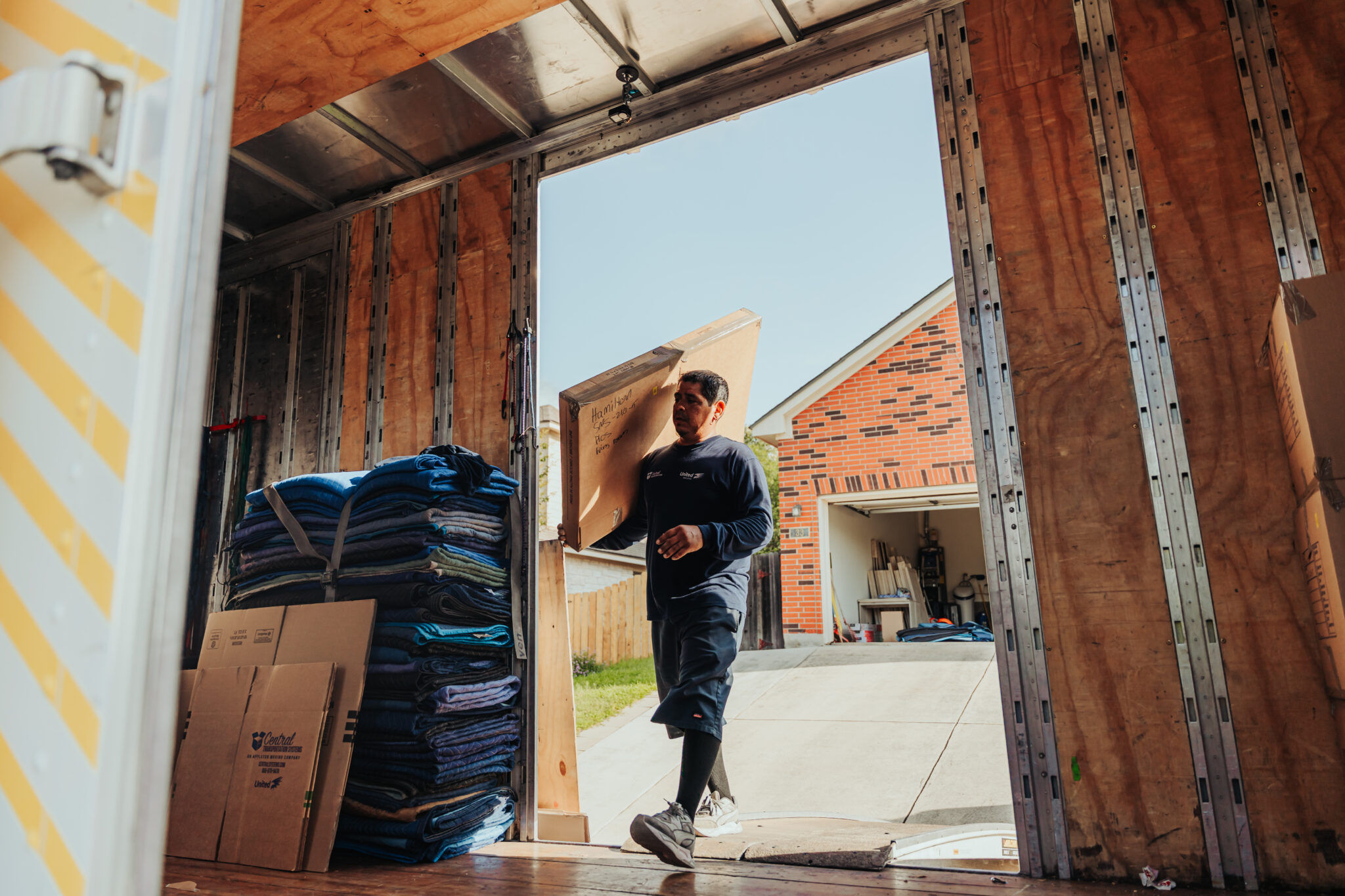
Moving furniture looks simple until you are halfway down a staircase with a dresser that weighs more than you expected. Heavy, fragile, and valuable furniture carries real risks during a move. A solid oak armoire can strain a back or crush a hand in a tight doorway. A glass tabletop can crack from one uneven set down. An antique can lose a leg, a finish, or decades of character in a single bump. Knowing which pieces belong with a furniture mover in El Paso County, and which ones you can safely handle with a couple of friends, protects your home, your belongings, and the people doing the lifting.
This guide breaks it down piece by piece, so you can decide where professional help matters most.
Why Some Furniture Is Riskier Than It Looks
Three factors make a piece of furniture risky to move: weight, shape, and fragility. Weight raises the chance of injury, since lifting a heavy item with poor form or without enough people puts enormous strain on the back, shoulders, and knees. Shape matters because tall, wide, or uneven pieces are hard to grip and easy to drop, especially on stairs or around corners. Fragility covers anything with glass, stone, delicate joints, or a finish that scratches easily.
Many pieces look sturdy but hide weak points. Chair and table legs often attach with glued joints that crack when someone lifts the piece by its top or drags it across the floor. Dresser drawers slide out mid-carry. Recliners and sleeper sofas have moving mechanisms that bend if they get tipped the wrong way. And tall bookcases and dressers can tip over without warning when someone tilts them or removes the drawers unevenly.
Tip-overs are a serious hazard even outside of moving day. The U.S. Consumer Product Safety Commission has recorded hundreds of deaths from furniture, TV, and appliance tip overs since 2000, most of them involving children, and it urges families to anchor dressers and TVs to the wall. A move is the perfect time to do it, because the furniture is already being placed in a new room.
Pianos and Other Heavy Instruments
Pianos top almost every mover’s list of specialty items, and for good reason. An upright piano can weigh several hundred pounds, and a grand piano weighs even more. That weight sits unevenly, with most of it concentrated in the cast iron plate and the back of the case, so it can shift suddenly when someone tips it.
Inside, a piano holds thousands of precise parts, including hammers, strings, and keys that can be knocked out of alignment by a jolt. Professional crews use piano boards, heavy-duty straps, and padded covers, and they plan the route through the house before they lift. For grand pianos, the crew typically removes the legs and lyre, wraps the body, and moves it on its side. Organs, large drum kits, and harps call for similar care.
Glass, Marble, and Stone Tops
Glass dining tables, marble coffee tables, granite-topped islands, and dressers with stone surfaces are some of the most fragile pieces in a home. Stone looks indestructible, yet a slab can crack along a natural vein if it flexes during a carry or gets set down on an uneven surface. Glass can shatter from a single point of pressure.
Professionals remove the top from the base whenever possible and pack it separately. They wrap glass and stone in padding, protect the corners, and often build a custom crate for large slabs. Inside the truck, crews stand tops on edge rather than laying them flat, because a flat slab can crack under its own weight when the truck hits a bump.
Antiques and Heirloom Pieces
Antiques carry two kinds of value: what they would sell for and what they mean to your family. Both make them worth extra care. Older finishes such as shellac and hand-rubbed oil scratch easily, and older joinery can loosen with age. Glue that held for a century can give way under the stress of a careless lift.
El Paso’s dry climate adds another layer, since wood that has lived in the same room for years can react to sudden changes in temperature and humidity. A furniture mover can wrap antiques in soft blankets rather than plastic directly against the finish, which can trap moisture, and load them in a protected spot in the truck away from heavy boxes.
When it comes to protection, know that the rules treat high-value items differently. The Federal Motor Carrier Safety Administration explains that on interstate moves, movers may limit their liability for items worth more than $100 per pound unless you list them on the shipping paperwork. Whether you are moving across town or across state lines, tell your mover about heirlooms during the estimate so they appear on the inventory.
Oversized Sectionals, Armoires, and Gun Safes
Some pieces are not especially fragile, but their size and weight make them a challenge. Large sectionals, sleeper sofas, armoires, entertainment centers, and king-size headboards often need to come apart to fit through doorways and around tight corners. A professional crew knows how to remove legs, separate sectional pieces, and take doors off hinges without damaging the furniture or the house.
Gun safes and home gym equipment sit in a category of their own. A large safe can weigh many hundreds of pounds, and treadmills, weight racks, and home gyms are both heavy and awkward. These items require specialized dollies, extra crew members, and careful planning around stairs and floor surfaces. Trying to move them without the right equipment can damage floors and cause serious injuries.
What You Can Safely Move Yourself
Not every piece needs a professional. Small side tables, lightweight dining chairs, plastic storage bins, folding tables, and flat-pack furniture that you can easily take apart are usually fine for a careful DIY move. Lamps, cushions, and small decor items can ride in your car.
A simple rule helps with the rest. If a piece takes more than two people to lift, contains glass or stone, has sentimental or significant financial value, or needs to go up or down stairs, hand it to a professional. That rule covers most of the items that cause injuries, damage, and regret.
What a Professional Furniture Mover Brings to the Job
The difference between a DIY move and a professional one comes down to equipment, training, and accountability.
Equipment includes thick furniture pads, stretch wrap, mattress bags, corner protectors, appliance dollies, piano boards, and lifting straps. Crews also bring floor runners and door jamb protectors so the move does not damage your old home or your new one.
Training means the crew knows how to lift safely, how to tip and carry each type of furniture, and how to plan a route through the house before they pick anything up. Experienced movers also handle disassembly and reassembly, keeping hardware labeled and bagged for each piece.
Accountability is where valuation comes in. A professional mover offers valuation options that set how much the company is responsible for if something is lost or damaged. Valuation is not insurance, and the Texas Department of Motor Vehicles makes that point clearly in its guidance, noting that a mover’s liability limits are not insurance and that separate transit insurance may be available from a third party. Ask your mover to explain each option so you can choose the level of protection that fits your belongings.
Conclusion
The pieces that deserve professional care tend to share a few traits. They are heavy, they are fragile, they carry real value, or they have to travel through stairs and tight spaces. Pianos, glass and stone tops, antiques, oversized furniture, safes, and gym equipment all fall into that group. Handle the light, simple pieces yourself if you like, and hand everything else to a furniture mover in El Paso County who has the equipment, training, and accountability to get it to your new home in the same condition it left.
Moving With Central Transportation Systems
Central Transportation Systems serves families and businesses across El Paso County with trained, background-checked, and uniformed crews who handle furniture with professional-grade materials. Our residential moving services include careful handling of heirlooms and household furniture, disassembly, reassembly, and placement in your new home.
We offer custom crating for glass, stone, and artwork through our packing services, plus secure, 24/7 monitored storage if you need time between homes. Full Value Protection valuation is available up to $250,000, and every customer receives a binding quote and a dedicated Move Consultant. As a United Van Lines agent with more than 90 years of experience, we treat your furniture like it belongs in our own homes. Request a free estimate for your next move.
Frequently Asked Questions
Do movers move just one piece of furniture?
Many professional movers handle single item moves, such as a piano, a safe, or a large sofa. Ask about minimum charges, since some companies set a minimum number of hours for any job.
How do movers protect furniture from scratches and dents?
Professional crews wrap furniture in thick moving pads, use stretch wrap to hold pads in place, add corner protectors, and secure each piece with straps inside the truck. They also protect floors and door frames at both homes.
Is it worth hiring movers for a piano or gun safe?
Yes. Both items are extremely heavy, awkward to carry, and easy to damage, and moving them without the right equipment can cause serious injury. Professional crews use piano boards, heavy-duty dollies, and extra crew members to move them safely.
Do furniture movers take apart and reassemble beds and tables?
Most full-service movers disassemble beds, tables, and large furniture before loading and reassemble them at the new home. They bag and label the hardware for each piece so nothing gets lost.
Does a moving company’s insurance cover my damaged furniture?
Movers offer valuation rather than insurance. Valuation sets how much the mover is responsible for if an item is lost or damaged, and the level depends on the option you choose, such as Full Value Protection. If you want coverage beyond that, third-party insurance may be available through a separate insurer.

Rachel Mance, CMC, is a seasoned relocation professional with over a decade of experience in the moving and relocation industry. As a Certified Moving Consultant and Director of Sales at Scobey Moving & Storage, part of Central Transportation Systems, she specializes in delivering seamless, personalized moving solutions for families and corporate clients. Rachel is recognized for her expertise in sales leadership, operational strategy, and enhancing the customer experience. She actively engages with industry organizations, contributing to professional standards and networking initiatives. Based in San Antonio, Texas, Rachel combines practical experience and industry insight to guide clients through complex domestic and international moves.